As the world continues to shift towards sustainable transportation, New Energy Vehicles (NEVs) have become a focal point of the automotive industry’s future. Among the various technological advancements driving NEVs, Solid-State Relays (SSR) have emerged as an essential component, playing a crucial role in ensuring the efficiency, reliability, and safety of electric mobility. This article explores how SSR technology is transforming the design and functionality of New Energy Vehicles.
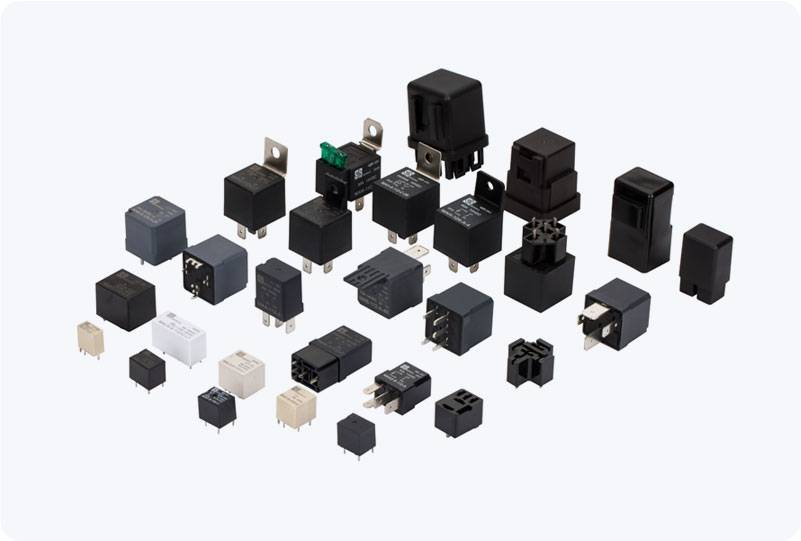
What is SSR and Why is it Important? A Solid-State Relay (SSR) is an electronic switching device that controls the flow of electrical power without any moving parts. Unlike traditional electromechanical relays that rely on physical contacts to open and close circuits, SSRs use semiconductor components such as thyristors, triacs, or MOSFETs to switch electrical signals. The absence of mechanical components gives SSRs several advantages, including faster switching times, higher durability, and better resistance to wear and tear. In the context of New Energy Vehicles, SSRs provide several benefits over traditional relays, such as reducing the risk of mechanical failure, offering quicker response times, and being more energy-efficient. These advantages make SSRs particularly well-suited for the demanding environments and precise control systems required by NEVs.