Self-regulating (SR) technology has been a game changer in numerous industries, offering efficient solutions for energy management, automation, and system stability. SR for industrial use refers to the application of self-regulating technologies designed to optimize processes and equipment performance in various industrial settings. From heating systems to control mechanisms, SR technology enhances the way industries operate by reducing the need for constant manual intervention, ensuring reliable performance, and improving energy efficiency. This article explores the significance, applications, and benefits of SR technology in industrial use, highlighting how it contributes to the modern industrial landscape.
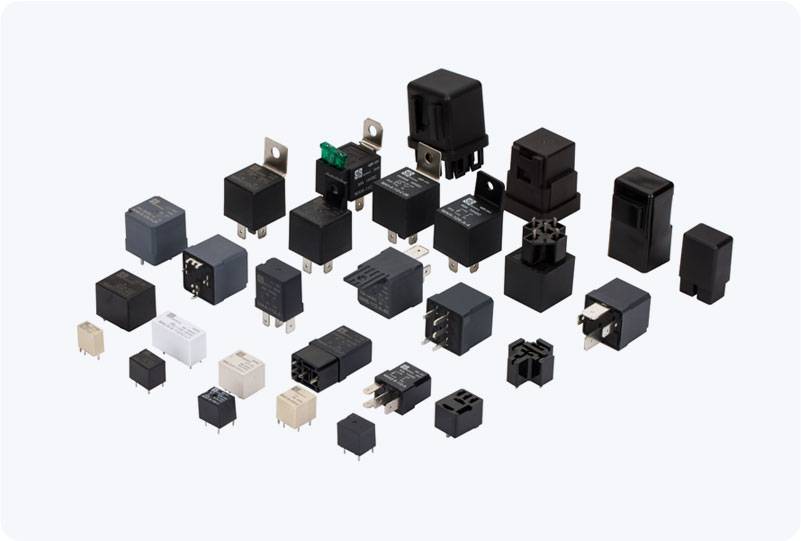
The Basics of SR Technology At its core, SR technology refers to systems or devices that adjust their output automatically in response to changing environmental conditions or internal system parameters. These systems are self-regulating, meaning they do not require continuous manual adjustments to maintain optimal functionality. The primary goal is to maintain a consistent and stable performance level, regardless of external fluctuations. In an industrial context, SR technology can be applied to a range of devices, from heating systems to process control equipment. For example, self-regulating heating cables are commonly used in applications where temperature control is critical, such as in chemical processing, oil pipelines, and food manufacturing. These systems monitor the temperature of the environment and adjust their heating output accordingly, preventing overheating or underheating, which could lead to system damage or inefficiency.