Safety Lockout Kits are essential tools in ensuring the safety of workers who maintain and service industrial equipment. These kits help to prevent accidents by locking out energy sources and isolating hazardous machinery during maintenance and repair tasks. Proper technical support for Safety Lockout Kits is crucial to ensure that these systems are used effectively and in compliance with workplace safety standards. This article will explore the importance of Safety Lockout Kits, the role of technical support, and best practices for implementing and maintaining these systems.
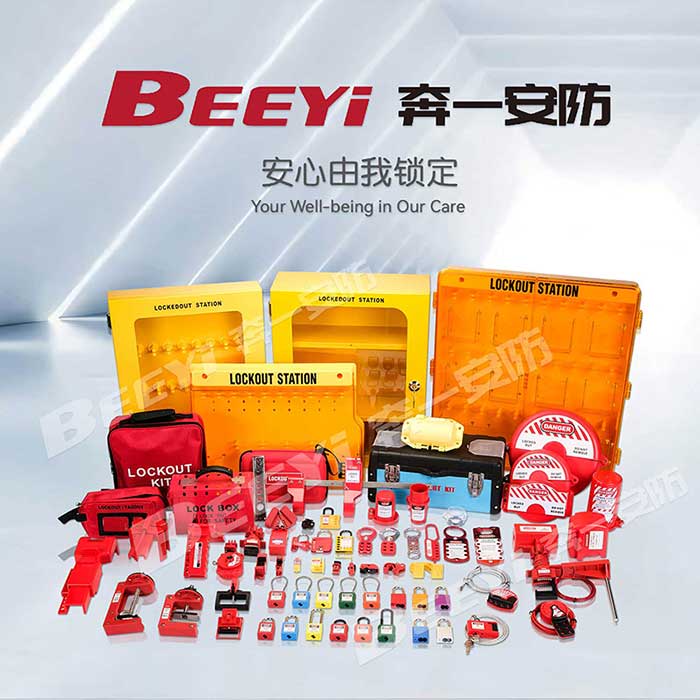
The Importance of Safety Lockout Kits The core purpose of Safety Lockout Kits is to prevent the accidental release of hazardous energy while maintenance is being performed. Equipment such as machines, electrical circuits, and pressure systems can be dangerous if operated unintentionally during servicing. The Occupational Safety and Health Administration (OSHA) and other regulatory bodies require that workplaces have a Lockout/Tagout (LOTO) program in place to ensure worker safety. The proper use of Safety Lockout Kits is a key component of these programs. Safety Lockout Kits typically include a variety of lockout devices such as padlocks, hasps, circuit breaker locks, valve lockouts, and tags. Each of these components is designed to isolate and secure a specific type of equipment or energy source. These kits are tailored for use in various industries, including manufacturing, construction, energy production, and healthcare, where the potential for dangerous machinery accidents is high.