In the intricate world of automotive electrical systems, two components that serve essential but distinct roles are relays and fuses. While both components are crucial for the proper functioning of a vehicle’s electrical systems, their functions, applications, and mechanisms are quite different. Understanding the differences between these components—Relay vs Fuse in Car—can help car owners and technicians maintain the electrical systems effectively and ensure optimal performance.
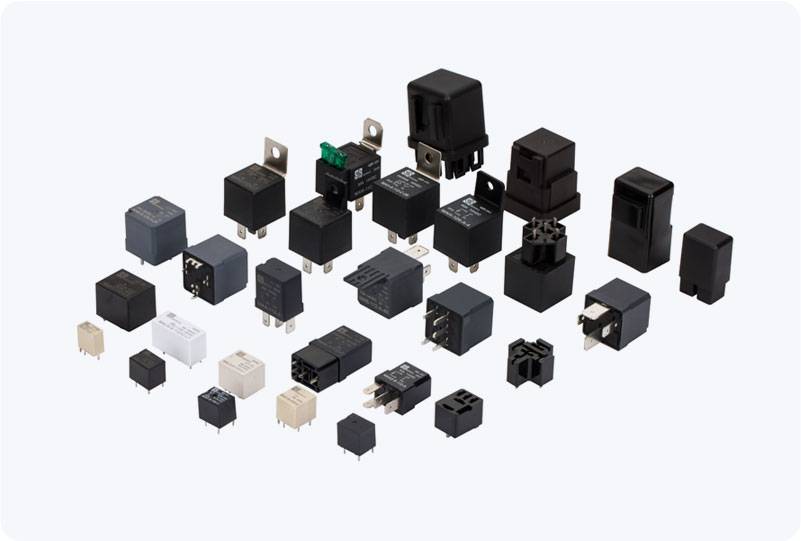
The Role of a Relay A relay is an electromechanical switch that uses a small electrical current to control a larger current. It typically consists of an electromagnetic coil and one or more sets of contacts. When the coil is energized by a small input current, it creates a magnetic field, causing the contacts to either open or close, thereby controlling the flow of electricity to a higher power circuit. Relays are primarily used in automotive applications to control high-power devices. For example, when a driver turns on the headlights, a small current flows through the switch, which then activates the relay. The relay, in turn, allows a much larger current to flow to the headlights, illuminating the road ahead. This ability to manage high currents with low power is invaluable in vehicles, ensuring that the essential components can operate without overloading the circuit.