When it comes to car maintenance, understanding the various components of your vehicle’s electrical system is essential. Among the most important yet often overlooked parts are relays and fuses. These two components play crucial roles in keeping your car’s electrical system running smoothly and safely. However, many car owners often confuse these two or do not fully understand how each part contributes to the overall function of the vehicle. This article will delve into the differences between relays and fuses in cars, how they work, and their significance in automotive electrical systems.
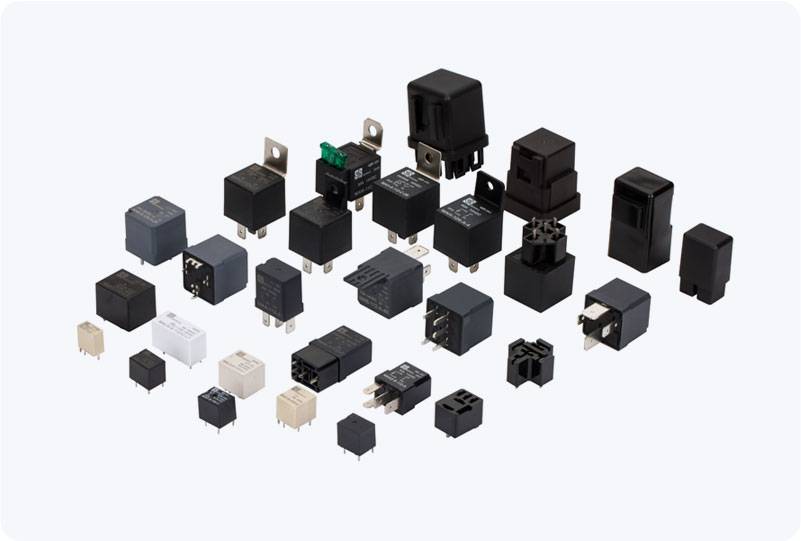
What is a Relay? A relay is an electromechanical switch that allows a small current to control a larger current. In simple terms, relays function as electrical switches that enable the control of high-power components using low-power signals. In a car, a relay typically serves to control systems like the fuel pump, headlights, horn, air conditioning system, and other high-power devices. Relays are designed to isolate the electrical control circuit from the device being controlled, which helps protect the low-power circuits and switches from wear and tear. For example, when you press the button to turn on your car’s headlights, a low-power current is sent to the relay, which then switches on a higher-power circuit to power the headlights.