When it comes to automotive electrical systems, two essential components that often come up in discussions are relays and fuses. While they serve very different purposes, both are crucial in maintaining the functionality and safety of a car’s electrical system. To the untrained eye, these might seem like interchangeable components, but understanding their unique roles can help car owners and mechanics troubleshoot electrical problems more effectively. This article aims to explore the differences between relays and fuses, their respective functions, and why they are important in car electrical circuits.
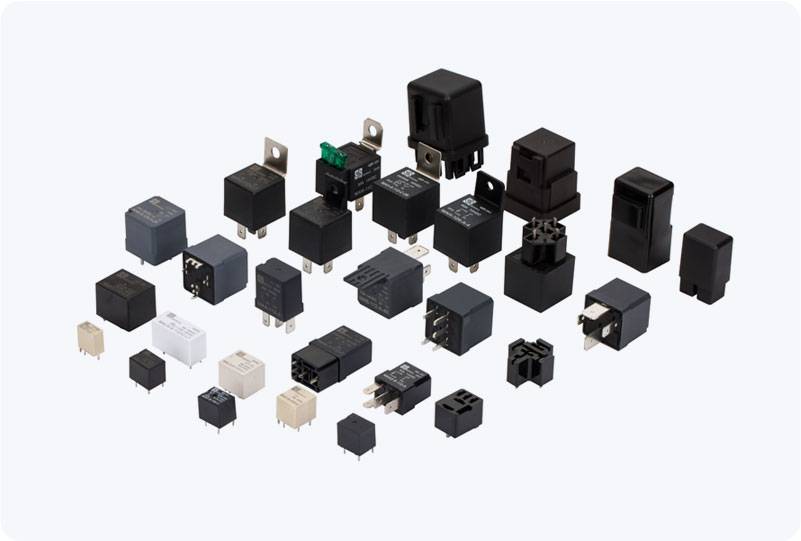
What is a Relay? A relay is an electrically operated switch that uses an electromagnet to open or close a set of contacts, allowing a low-power signal to control a high-power circuit. In automotive applications, relays are primarily used for controlling systems that require a higher current or power, such as headlights, horn, or power windows. The relay is activated by a small electrical current, which energizes the coil inside the relay. This causes a magnetic field to form, pulling the switch’s contact points together and allowing a higher current to flow to the connected device. The most notable feature of a relay is its ability to act as an intermediary between the car’s low-power circuits and higher-power components. Instead of running large amounts of current directly through switches or other parts of the car’s electrical system, relays allow smaller, more manageable currents to control larger ones. This ensures that sensitive components in the vehicle, such as the vehicle’s ignition switch or fuse box, do not get overloaded.