When it comes to the electrical systems in modern vehicles, two components that play essential roles in ensuring smooth operation and safety are relays and fuses. Both are designed to protect, control, and manage the flow of electricity, but they serve distinct purposes and work in very different ways. In this article, we will explore the functions, benefits, and key differences between relays and fuses in cars, shedding light on why both are crucial to your car’s electrical system.
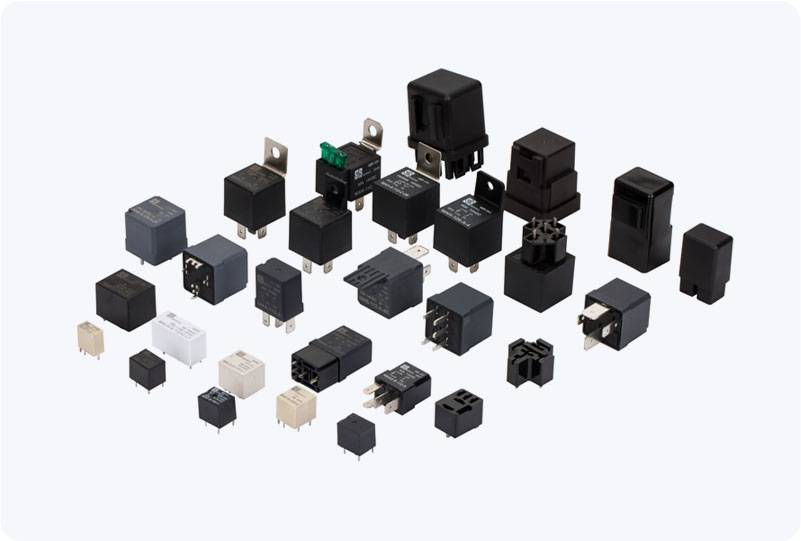
What is a Relay? A relay is an electromechanical switch that allows you to control a high-current circuit with a low-current signal. Essentially, it acts as a bridge between a small control circuit and a large operational circuit. Relays are typically used in vehicles to control the flow of current to various systems, such as the starter motor, headlights, air conditioning, and other high-power devices. Relays work using an electromagnetic coil. When current flows through the coil, it generates a magnetic field that attracts a metal arm (the armature), causing the switch to either close or open the high-current circuit. The primary advantage of a relay is that it enables low-current control of high-power systems, allowing the car’s control system to manage heavy electrical loads without direct contact with high-voltage components.