Relays are essential components in the world of electrical and electronic systems. They serve as electrically operated switches that control the flow of current in a circuit. By utilizing an electromagnet or semiconductor materials, relays allow for automation, safety, and remote control in numerous applications. This article will explore the various types of relays, their working principles, and their specific applications in different industries.
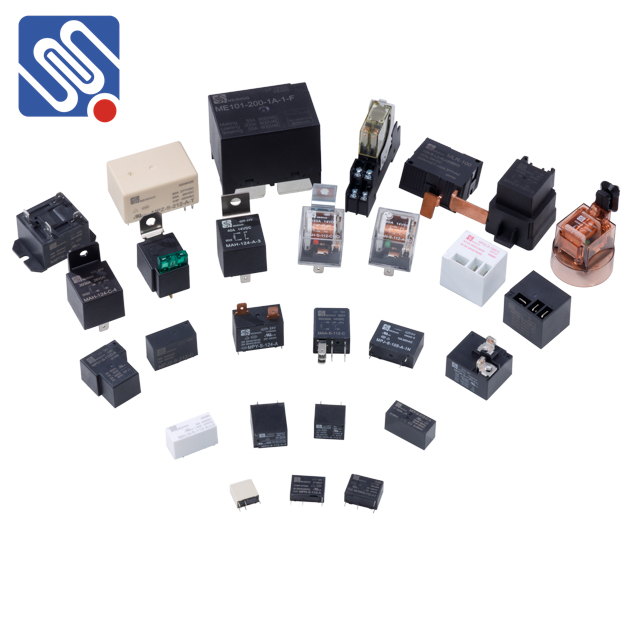
1. Electromechanical Relays (EMR) Electromechanical relays (EMRs) are one of the most common types of relays. They operate by using an electromagnet to physically move contacts that either open or close the circuit. When a current flows through the coil, it generates a magnetic field, causing the armature to move and alter the position of the contacts. This action controls the power supplied to a circuit. EMRs are versatile, reliable, and inexpensive, making them suitable for use in industrial automation, home appliances, automotive systems, and other applications requiring switching capabilities.