Relay troubleshooting is an essential skill for anyone working with electrical control systems. Relays are key components in automation, used to control circuits by opening or closing contacts based on an electrical input signal. Over time, relays can encounter issues that compromise their ability to function correctly. Understanding the common problems and following a systematic troubleshooting process can help ensure that your relay-based systems remain reliable. This article outlines the key steps for effective relay troubleshooting.
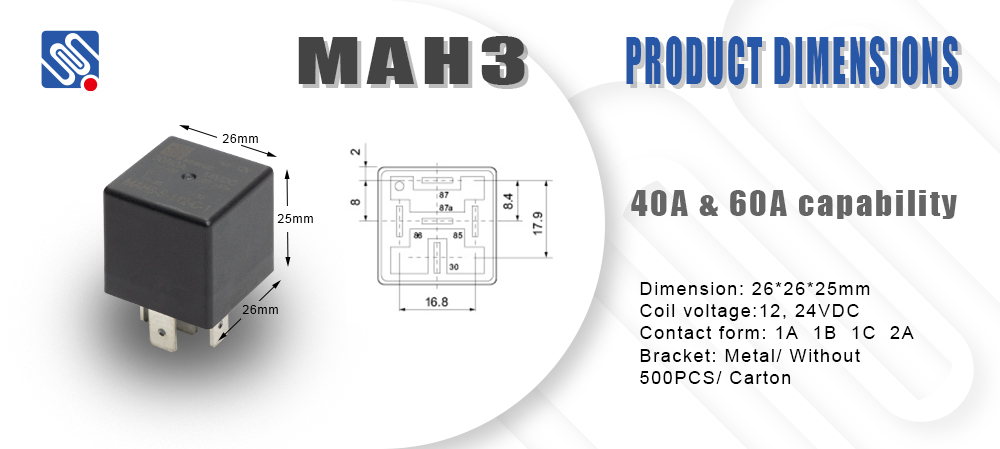
1. Check the Power Supply and Voltage One of the first steps in troubleshooting a relay is verifying the power supply. A malfunctioning relay can often be traced back to an issue with the power input. If the relay isn’t receiving the correct voltage, it cannot operate properly. Start by measuring the voltage supplied to the relay coil using a multimeter. Ensure that the voltage matches the relay’s rated voltage. If the voltage is too low or fluctuates, the relay will not function as expected. If there is no power supply to the relay, check the connections and the power source itself. A blown fuse or faulty power supply can also be the culprit.