Relay technology plays a critical role in the development of modern automation and control systems. By providing a simple yet highly effective means of controlling electrical circuits, relays enable a wide range of applications in industries such as manufacturing, telecommunications, and home appliances. This article explores the fundamental principles, types, and applications of relay technology, highlighting its importance in creating efficient and reliable systems.
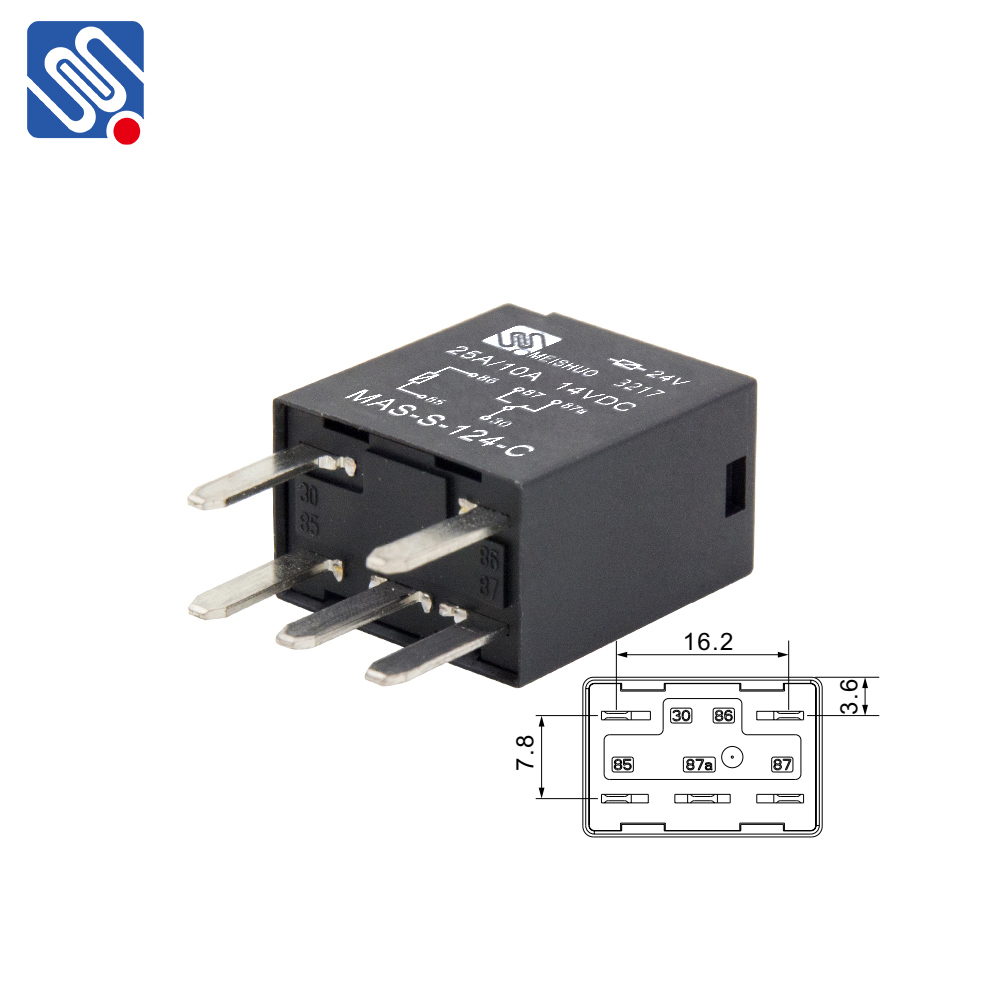
What is Relay Technology? Relay technology is based on the use of electrical relays—devices that use low-power electrical signals to control high-power circuits. At its core, a relay consists of an electromagnetic coil, a set of contacts, and a spring. When current flows through the coil, it generates a magnetic field, which pulls or releases the contacts, thereby opening or closing the circuit. This action enables the relay to switch between different states, such as turning a device on or off, depending on the configuration of the relay. Relays are typically categorized into two types: mechanical and solid-state. Mechanical relays rely on moving parts to physically switch contacts, while solid-state relays (SSRs) use semiconductor components to achieve similar results without any moving parts. Both types of relays are widely used in various industries, but the choice between them often depends on the specific requirements of the application, such as speed, durability, and power handling capacity.