When it comes to selecting the right relay for your application, it’s essential to understand and compare the various specifications. Relays are fundamental components in electrical and electronic systems, used to control high-power devices with low-power signals. However, not all relays are created equal, and different specifications make certain types more suitable for specific tasks. This article will explore the key specifications you should consider when comparing relays and how to choose the best option for your needs.
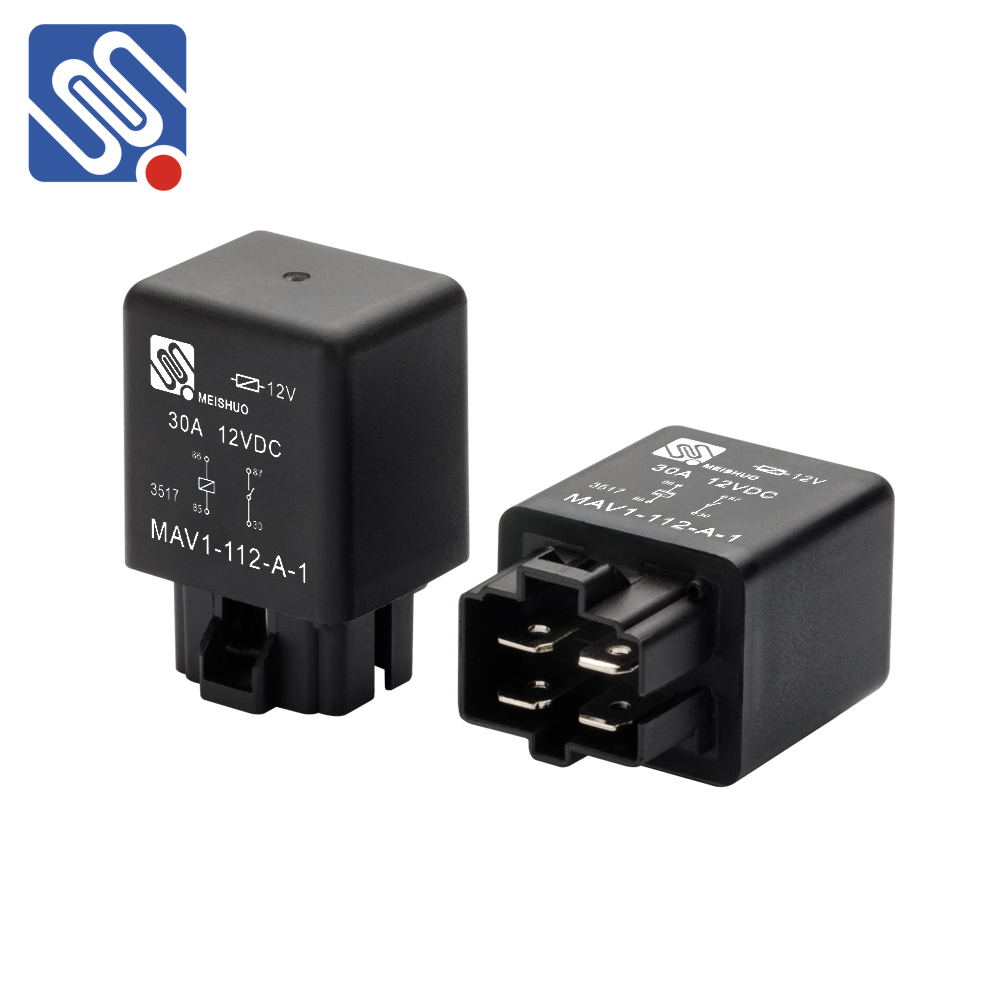
1. Contact Configuration One of the first factors to consider is the contact configuration. Relays come in various configurations, such as Single Pole Single Throw (SPST), Single Pole Double Throw (SPDT), Double Pole Double Throw (DPDT), and more. SPST relays have one set of contacts that can either open or close a circuit. SPDT relays offer a common terminal with two possible output positions, allowing for more flexible control. DPDT relays have two sets of contacts that can independently switch two circuits, often used for more complex control tasks. Choosing the correct contact configuration depends on how many circuits need to be controlled and whether you require normally open (NO) or normally closed (NC) contacts.