Relays are essential components in various electrical and electronic circuits, enabling the control of high-power devices through low-power signals. A relay essentially acts as an electrically operated switch, which is activated by an electromagnet or electronic circuit. Understanding the specifications of relays is crucial when choosing the right one for a specific application. In this article, we will compare key relay specifications and explain how these features impact the functionality and performance of relays.
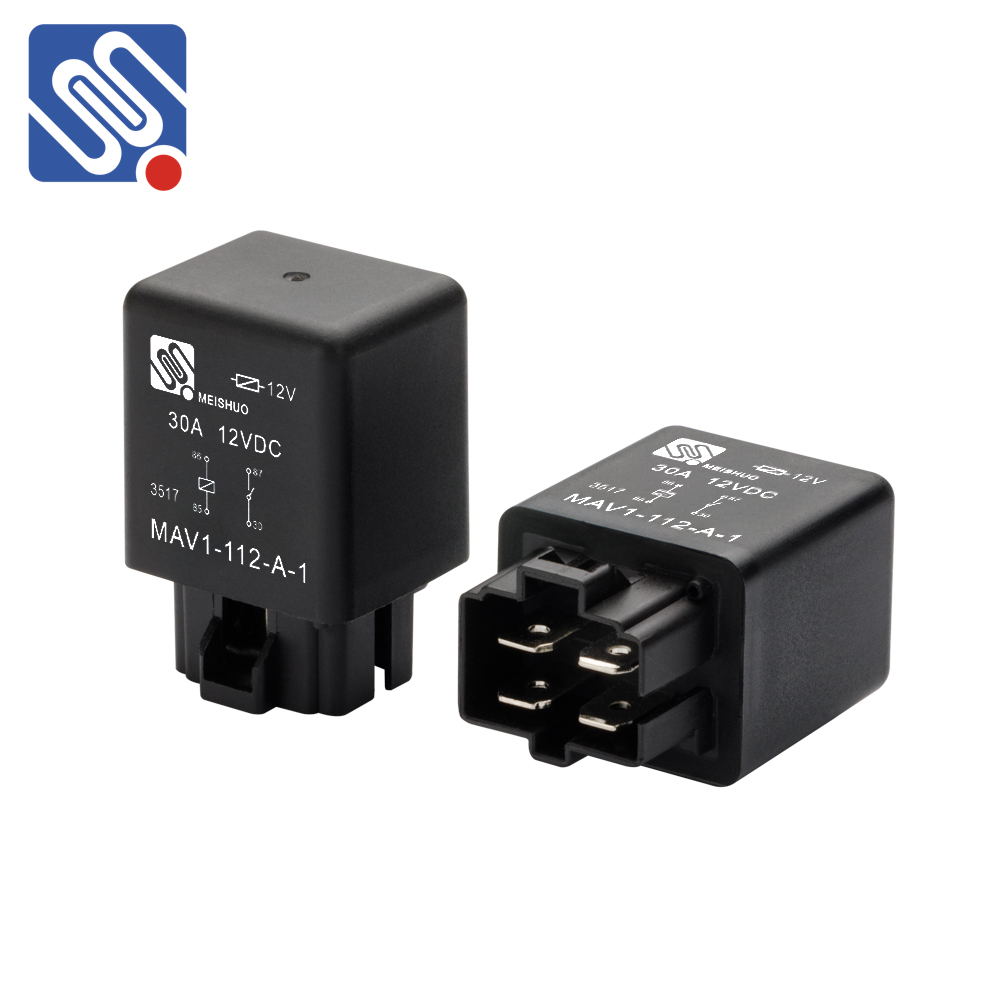
1. Rated Voltage One of the most fundamental specifications of a relay is its rated voltage. The rated voltage indicates the voltage level at which the relay is designed to operate effectively. There are two main types of relays based on voltage: DC (Direct Current) and AC (Alternating Current) relays. For DC relays, common rated voltages include 5V, 12V, and 24V. For AC relays, typical rated voltages range from 110V to 240V. It is essential to match the rated voltage of the relay with the voltage of the controlling circuit. If the voltage is too high or too low, the relay may fail to function correctly, or worse, get damaged.