Relays are essential components in both electrical and electronic systems. They serve as an interface between two different circuits, allowing one circuit to control another by opening or closing contacts. The relay specifications define the design, performance, and capabilities of these devices, ensuring they operate efficiently and reliably. This article aims to provide a comprehensive overview of relay specifications, discussing the important aspects that engineers and designers should consider when selecting or using relays in their systems.
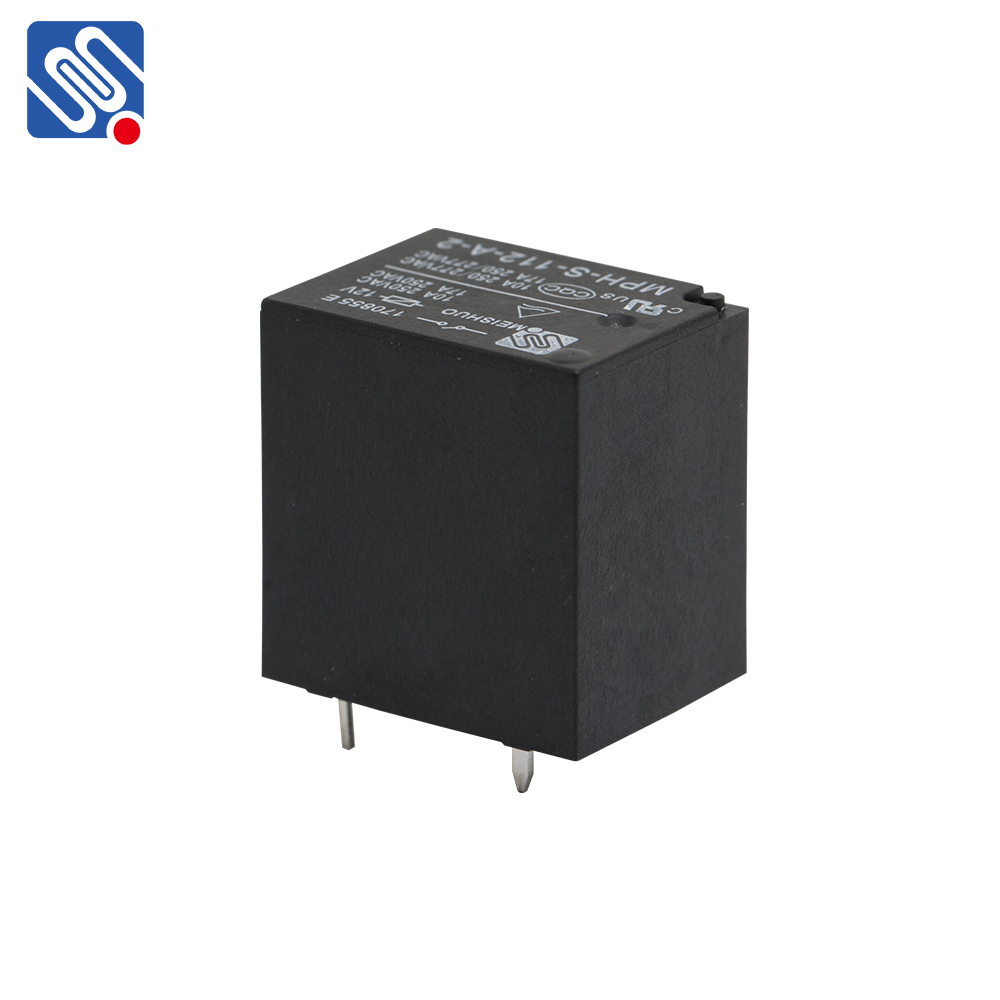
Understanding Relay Specifications At the heart of a relay’s functionality is its ability to control the flow of current in a circuit through a mechanical or solid-state contact system. The relay specifications encompass a wide range of attributes, including electrical ratings, contact configuration, physical size, and environmental conditions. These factors determine how well the relay performs in various applications, from simple home appliances to complex industrial machinery. 1. Electrical Ratings One of the most critical relay specifications is the electrical ratings. These ratings indicate the maximum voltage and current the relay can handle safely without damage. The primary electrical specifications include: