Relays are vital components in electrical systems, serving as switches that control the operation of various devices such as motors, lights, and other machinery. Beyond their primary function, relays also play a crucial role in ensuring the safety and reliability of electrical circuits. Relay safety features are designed to protect both the equipment and the people who work with these systems, preventing failures, accidents, and damage. This article explores the essential relay safety features that are integral to maintaining secure and efficient electrical systems.
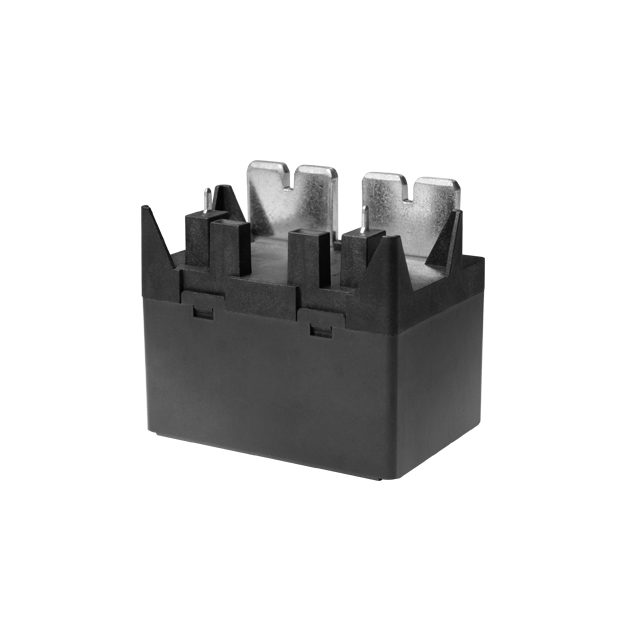
1. Overload Protection Overload protection is one of the most common safety features found in relays. Electrical circuits can experience an overload when the current exceeds the designed capacity, leading to overheating and potential damage to wires, components, and connected devices. Overload relays are designed to detect excessive current flow and disconnect the circuit before it can cause damage. These relays are often thermal in nature, meaning they use heat to sense when the current is too high. When the relay detects a temperature rise indicative of an overload, it will trip the circuit, preventing further damage.