Relay production plays a pivotal role in the electronics industry, where reliable and efficient control systems are crucial for the functioning of electrical circuits. A relay is an electrically operated switch used for controlling the flow of electricity through a circuit. It allows a small electrical signal to control a larger current, making it an essential component in various devices, from household appliances to industrial machinery. This article explores the intricate process involved in relay production, covering the stages of manufacturing, key components, and quality control measures that ensure the high performance and durability of the final product.
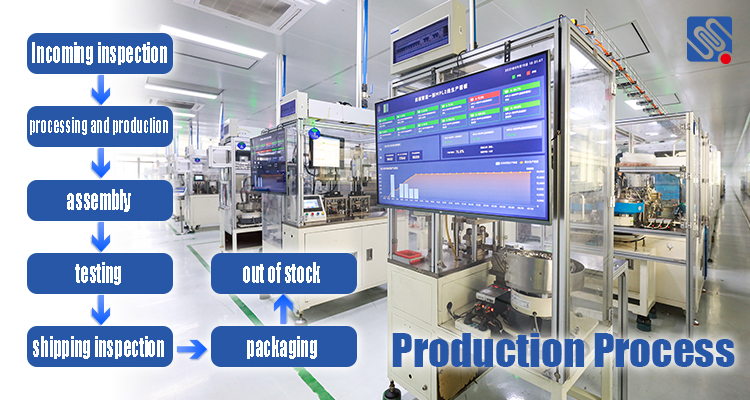
The Basics of Relay Functionality Before diving into the production process, it is essential to understand the fundamental purpose of a relay. Essentially, a relay consists of a coil of wire, an armature, a spring, and one or more contacts. When an electric current passes through the coil, it creates a magnetic field that moves the armature, causing it to either open or close the contacts. This mechanism allows a relay to control high-power circuits with a low-power input, offering safety, efficiency, and automation in electrical systems. Key Components in Relay Production The production of a relay involves several critical components, each of which must meet high standards for electrical performance and reliability: