Relays are vital components in electrical circuits and automation systems, functioning as electrically operated switches that can control various devices. From industrial machinery to home appliances, relays play a crucial role in ensuring smooth operation and energy efficiency. However, choosing the right relay can be a complex process, given the variety of types, specifications, and applications. This relay procurement guide will help procurement professionals understand the key factors to consider when purchasing relays for different needs.
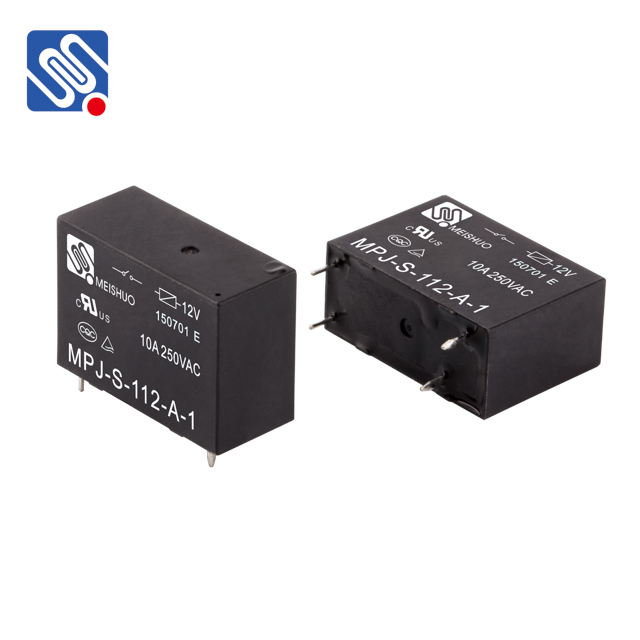
1. Types of Relays The first step in selecting the right relay is understanding the different types available on the market. There are several types of relays, each with specific applications: Electromagnetic Relays: These are the most common type, using an electromagnet to open or close contacts in response to a control signal. They are widely used in control circuits and automation.
Solid-State Relays (SSRs): These relays use semiconductor components instead of mechanical contacts, offering faster switching times and longer life spans. Time Delay Relays: These relays incorporate a time delay function, enabling devices to be switched on or off after a specified time.