Relay power supplies play a crucial role in the modern world of electrical systems, offering an efficient, reliable, and safe method of controlling power. They are an essential component in a wide range of applications, from industrial automation to home electrical systems, ensuring that power can be safely managed and distributed. This article explores the working principles, key features, applications, and advantages of relay power supplies, shedding light on their significance in everyday electrical systems.
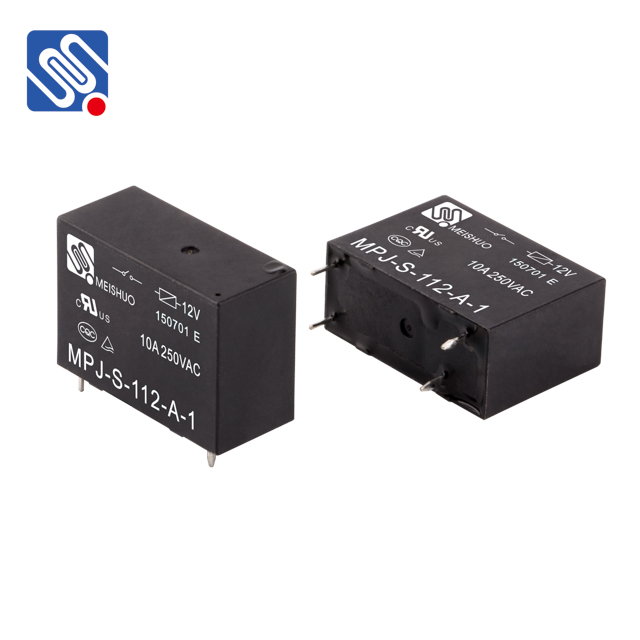
What is a Relay Power Supply? A relay power supply refers to an electrical circuit that uses a relay to control the flow of electrical power to various devices or components. A relay is essentially an electromagnetic switch that is operated by a control signal, typically a low-voltage signal, to open or close a high-voltage circuit. The relay allows for the control of large power loads using smaller control signals, offering a safe means of switching power to devices without the need for manual intervention. Working Principle The working principle of a relay power supply is simple yet effective. When a control signal is applied to the relay’s coil, it generates a magnetic field that pulls the relay’s armature, closing or opening the circuit’s contacts. In the case of a normally open (NO) contact, the relay closes the circuit when the signal is applied, allowing current to flow through the load. When the control signal is removed, the relay returns to its normal state, and the circuit is broken, cutting off the power supply.