Relays are essential components in various electrical and automation systems, acting as switches to control the flow of current in circuits. They are widely used in industries such as power distribution, automation, telecommunications, and automotive applications. This guide provides an overview of relay operations, key considerations for their proper usage, and important safety protocols for both installation and maintenance.
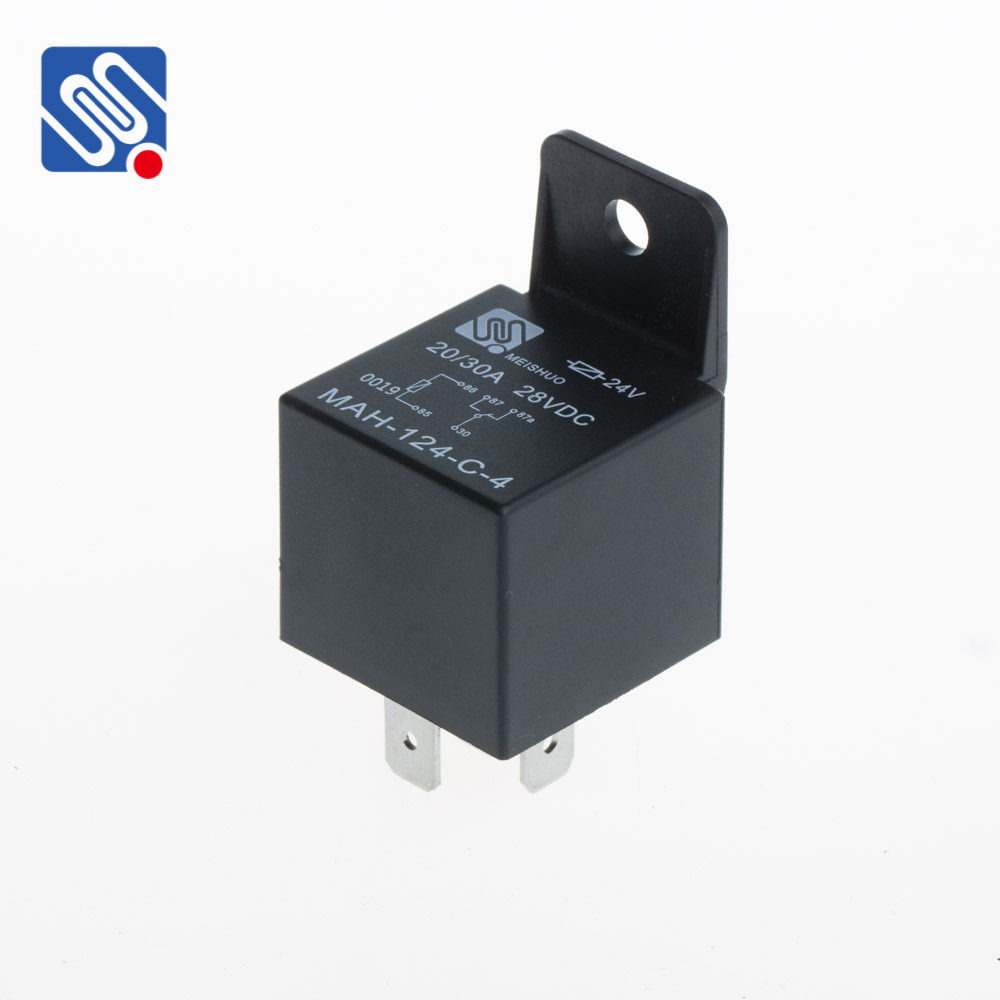
1. Understanding the Relay: A relay is an electrically operated switch that uses an electromagnet to open or close the contacts in a circuit. There are different types of relays available, including electromagnetic relays, solid-state relays, and thermal relays. Each of these operates on distinct principles, but they share the same purpose of controlling electrical circuits by receiving a control signal, typically from a low-voltage device, to operate high-voltage components. Electromagnetic relays use a coil of wire that generates a magnetic field when current flows through it, which then either attracts or repels an armature to change the state of the relay’s contacts. Solid-state relays, on the other hand, rely on semiconductor components to perform the same function but with no moving parts.