Relay installation is a critical task in many electrical systems, serving as an integral component in control circuits. Whether in industrial machinery, automotive applications, or residential wiring, proper installation of a relay ensures the reliable operation of electrical systems. This article outlines the fundamental aspects of relay installation, offering practical insights for those working with electrical systems.
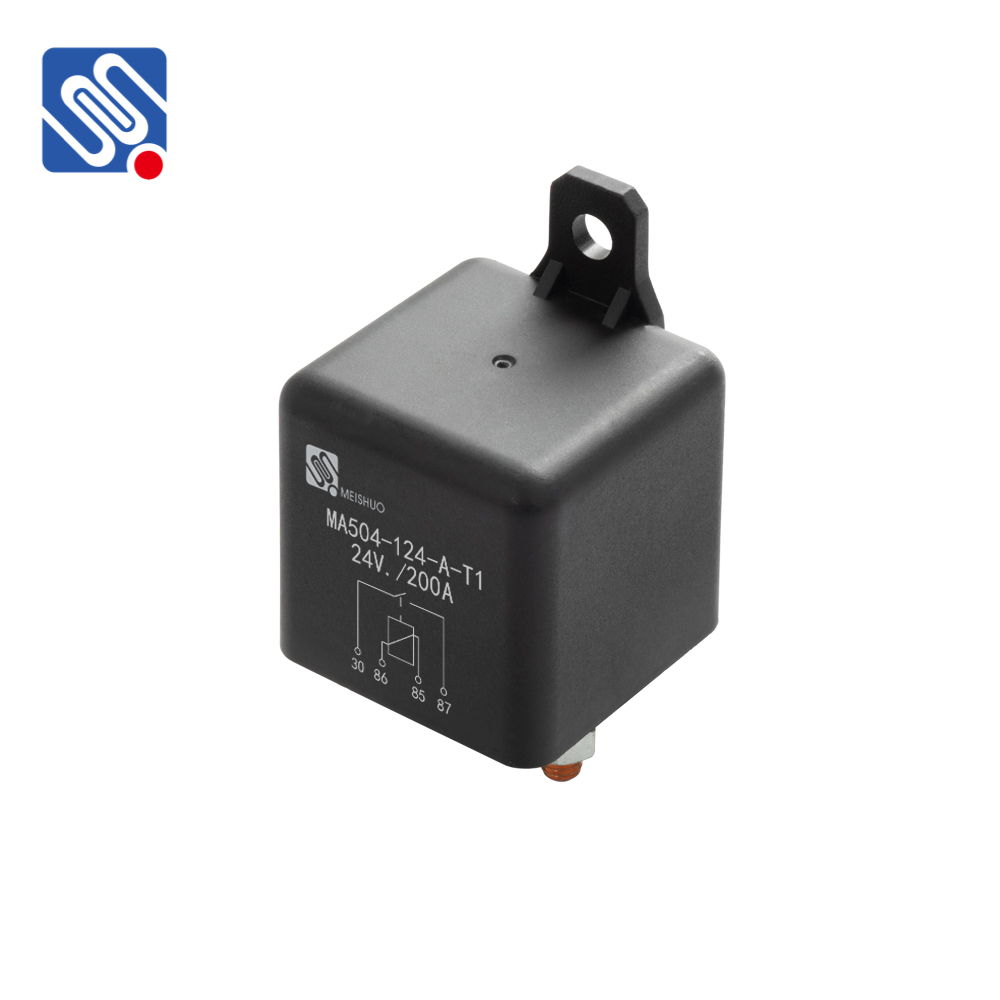
Understanding Relays A relay is an electrically operated switch used to control the flow of electricity in a circuit. It works by using an electromagnet to open or close contacts, enabling the control of higher voltage or current circuits with a low voltage control signal. Relays are often employed in applications such as motor control, circuit protection, and automation systems. There are several types of relays, including electromagnetic, solid-state, and thermal relays. Each type has its own unique application and wiring requirements. The key to successful relay installation lies in understanding which relay suits your needs and how to install it correctly for optimal performance.