Relays are crucial components in modern vehicles, acting as switches to control various high-power systems like starters, air conditioning, lighting, and more. While relays are designed to be reliable and durable, they can still fail due to a variety of reasons, leading to malfunctions in a vehicle’s electrical system. Understanding the failure modes of relays in cars is essential for both car owners and mechanics, as it can help in diagnosing electrical issues, reducing downtime, and preventing expensive repairs. This article explores the common relay failure modes in cars, how to identify them, and steps to prevent them.
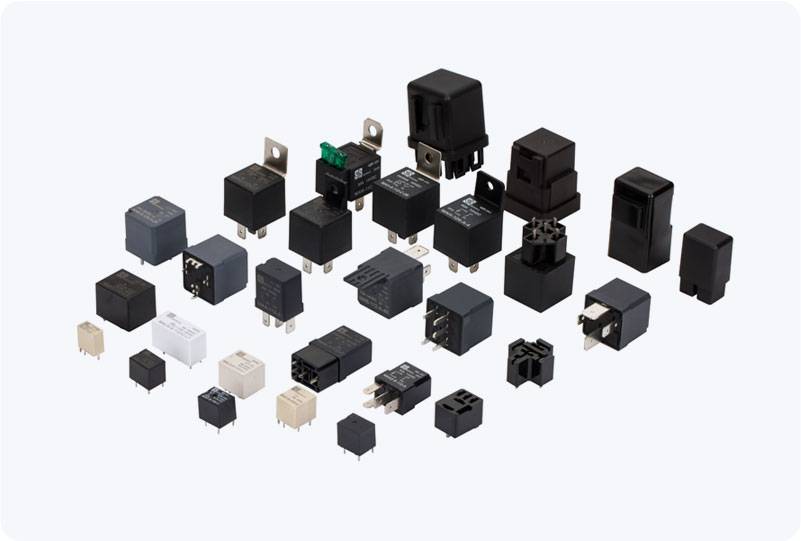
1. Contact Wear and Corrosion One of the most common failure modes of relays in cars is worn or corroded contacts. Relays work by using an electromagnet to open and close electrical contacts, allowing current to flow to the connected component. Over time, these contacts can become worn due to the repeated action of switching, or they may become corroded from exposure to moisture and other elements. Corrosion, in particular, can increase resistance, leading to poor current flow and ultimately, relay failure. Symptoms: A relay with worn or corroded contacts may cause intermittent electrical issues. For example, the vehicle’s starter motor may engage sporadically, or the headlights may flicker.