控制电流(线圈电流):继电器的线圈端需要通电以产生磁场,从而使触点动作。这个电流是继电器工作的驱动力,通常是较小的电流,单位为毫安(mA)到几安培(A),取决于继电器的型号和设计。
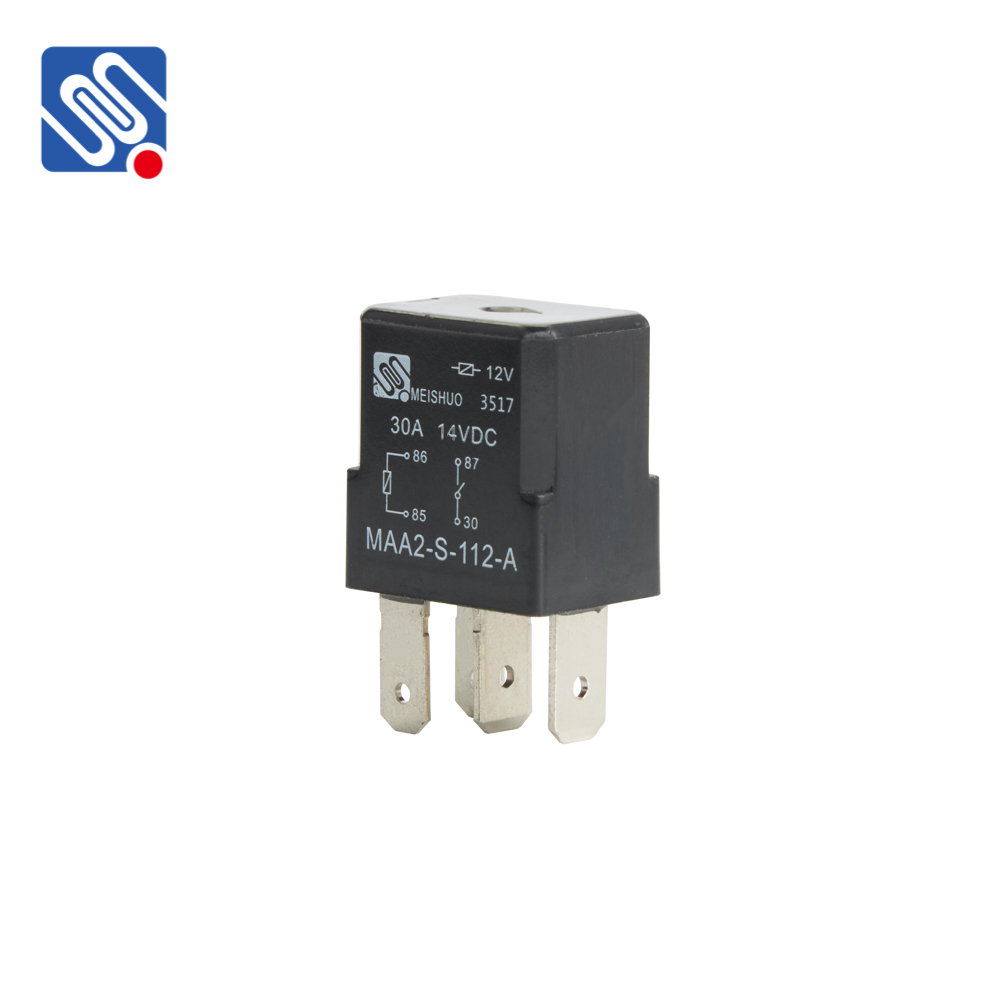
负载电流(触点电流):当继电器的触点闭合时,负载电流就是流经继电器触点的电流。这通常是继电器用于控制的主电流。负载电流的大小取决于继电器的应用,可能是从几安培到几十安培,甚至更大。 不同的继电器有不同的电流额定值和工作范围。设计时需要根据实际应用选择合适的继电器类型,确保其承载的电流不会超过额定值,否则可能导致继电器损坏或故障。 帮我写一篇关于Relay current的800字英文原创文章,并在文章前面配上一个标题,并在标题里面包含Relay current Understanding Relay Current: Importance, Types, and Applications Relay current plays a crucial role in the functioning of relays, which are essential components in electrical and electronic systems. A relay is an electrically operated switch used to control high-power circuits with low-power signals. Understanding the various types of relay currents, their significance, and applications is key to ensuring efficient operation and reliable performance in systems where relays are utilized.