Relays are essential components in modern electrical and electronic systems, playing a crucial role in controlling circuits by using an electromagnet to open or close the contacts. Whether used in automation, protection devices, or simple control systems, understanding the key relay characteristics is vital for selecting the right relay for any given application. In this article, we will explore the fundamental characteristics of relays, how they work, and the factors to consider when choosing a relay for specific tasks.
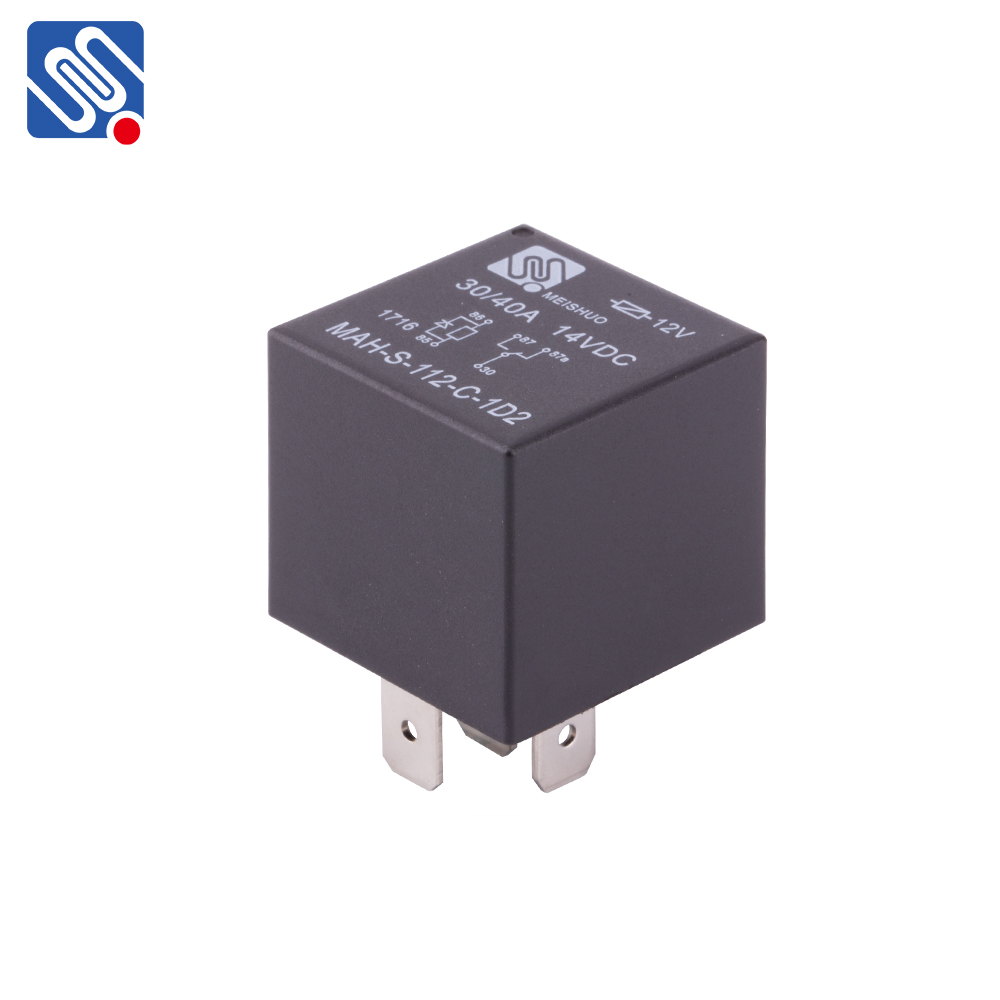
1. Coil Voltage (Rated Voltage) The coil voltage, also referred to as the rated voltage, is one of the most critical characteristics of a relay. It represents the voltage required to energize the relay’s coil and activate its internal switch. The coil voltage can either be alternating current (AC) or direct current (DC), depending on the type of relay. Relays are often designed with standard voltage ratings, such as 5V, 12V, or 24V DC for low-voltage applications, and 120V or 230V AC for higher voltage systems. Choosing the appropriate coil voltage ensures proper operation and prevents damage to the relay and the system.