Relay assembly techniques are critical in the design and production of relay circuits, which play an essential role in controlling electrical systems with varying voltages and currents. Relays are widely used across different industries for switching high-power devices with low-power signals, offering efficiency and safety. The proper assembly of relays ensures that they function optimally, reduce the risk of failure, and maintain long-term reliability. In this article, we will discuss the importance of relay assembly techniques, the key components involved, and best practices for assembling relays effectively.
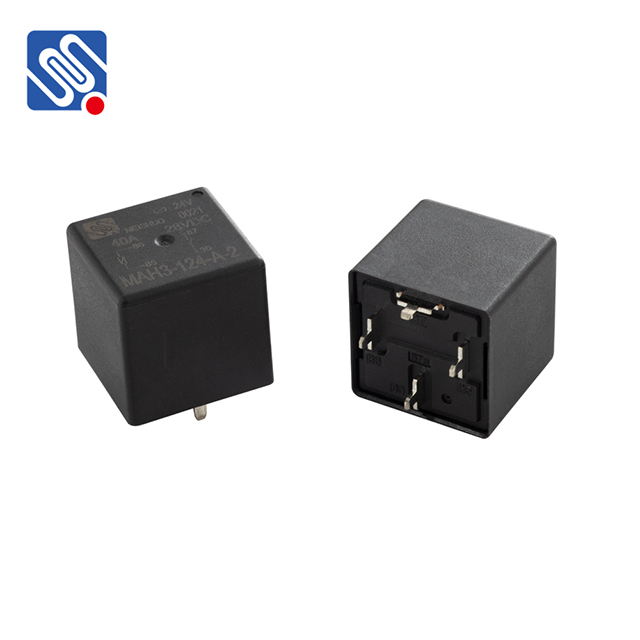
Understanding Relay Functionality A relay is an electrically operated switch that consists of a coil, a set of contacts, and a mechanical or solid-state mechanism to open or close the contacts based on an input signal. When current flows through the coil, it generates a magnetic field that moves the armature to close or open the contacts, enabling or interrupting the current flow in the circuit. This simple yet effective mechanism allows relays to control high-power devices using a low-power input. Types of Relays There are several types of relays, each with specific applications. The most common types include electromagnetic relays, solid-state relays, and thermal relays. Electromagnetic relays rely on a coil to generate a magnetic field, while solid-state relays use semiconductor components for switching, offering faster operation and greater durability. Thermal relays, on the other hand, rely on temperature changes to activate the contacts.