Power relays play a crucial role in controlling electrical circuits by opening and closing contacts. These devices are used in a wide variety of applications, from automotive systems to industrial equipment, due to their ability to handle high currents and voltages. However, one significant challenge that power relays face is the phenomenon of contact welding, which can lead to failure of the relay and cause potential hazards. This article explores the concept of contact welding in power relays and presents solutions for improving the durability and reliability of relay contacts.
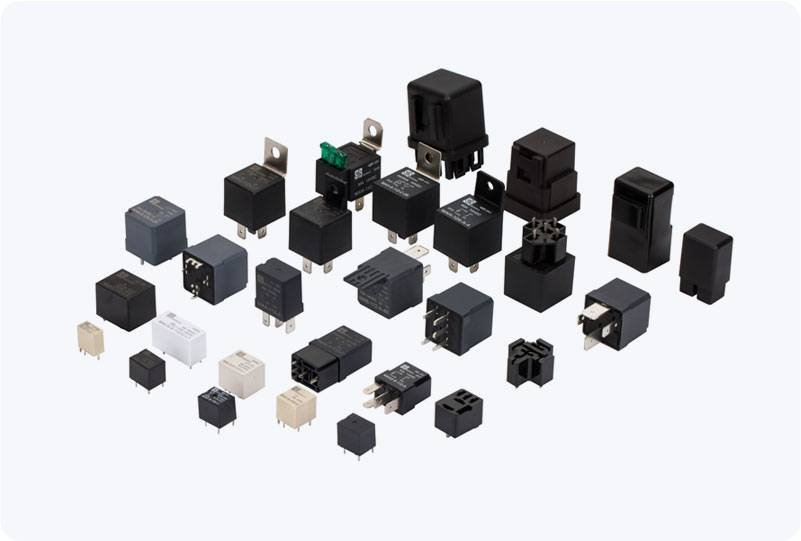
What is Power Relay Contact Welding? Contact welding in power relays occurs when the contacts, due to high electrical load, become fused together. This can happen during the opening and closing of the relay, especially under conditions of high current or when the contacts are subjected to rapid switching. The arc formed during switching can melt the contact surfaces, causing them to weld together. This not only prevents the relay from functioning properly but can also result in catastrophic damage to the relay, affecting the entire circuit and potentially leading to system failures. Causes of Contact Welding in Power Relays