Power relays play an indispensable role in modern electrical and electronic systems. These components act as the gatekeepers for high-power circuits, enabling devices and systems to be turned on or off with a low-power control signal. They are widely used in various applications, ranging from industrial automation to automotive electronics, offering both convenience and safety in controlling electrical power. This article will explore the working principle, types, applications, and benefits of power relays, shedding light on their importance in our daily lives.
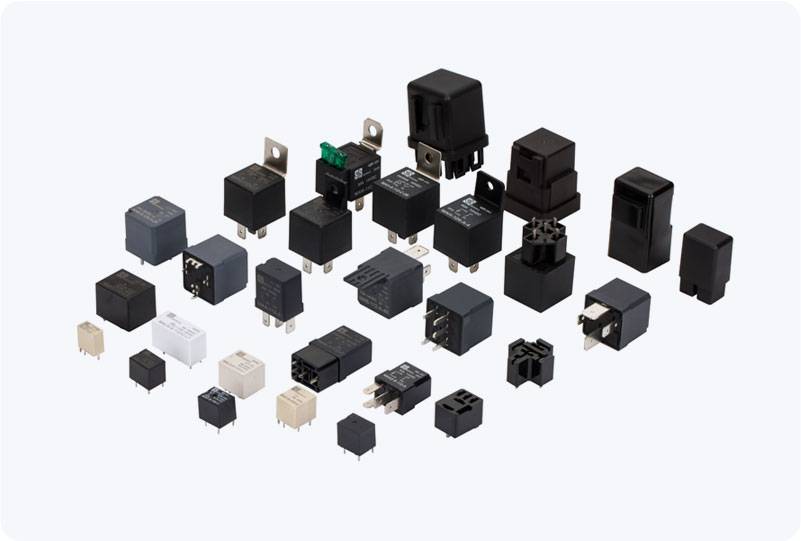
Working Principle of Power Relays At the core of every power relay is an electromagnet, which is energized by a low-power signal to control the switching of high-power circuits. When a voltage is applied to the relay’s coil, it generates a magnetic field that pulls or releases the contacts of the relay. The contacts can either open or close, allowing or interrupting the flow of current to the connected load. This simple yet effective mechanism makes power relays highly suitable for controlling electrical circuits that carry high voltage or current, without the need for complex, high-power switches. The beauty of the relay is that it allows a user or a control system to manage a large power system with minimal energy input.