In industrial environments, safety is of paramount importance, particularly when dealing with powerful machinery and potentially hazardous systems. One critical aspect of maintaining safety in workplaces where compressed air systems are in use is the implementation of Pneumatic Lockouts. These devices play a vital role in preventing accidents and injuries by ensuring that pneumatic systems are properly locked out during maintenance and repair work. In this article, we will explore what Pneumatic Lockouts are, how they function, their importance in industrial safety, and the benefits they offer to both workers and employers.
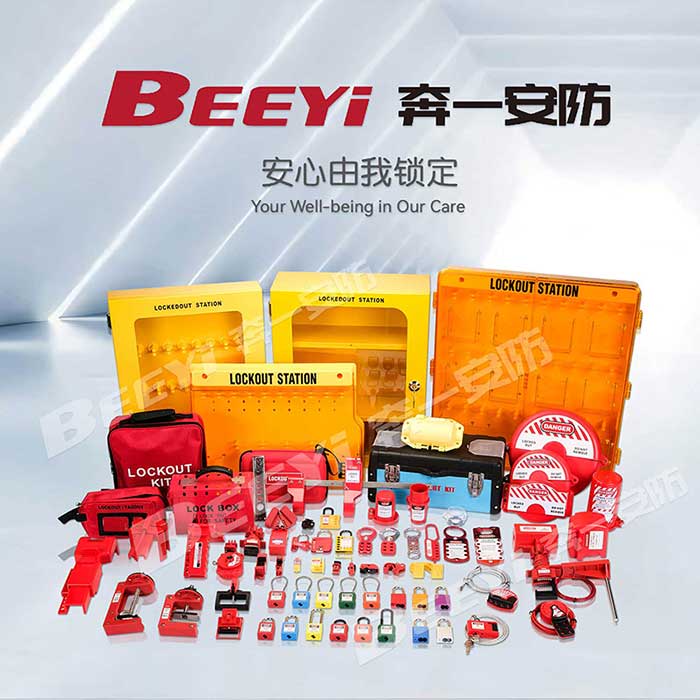
What are Pneumatic Lockouts? A Pneumatic Lockout is a safety device used to isolate and lock out a pneumatic system or equipment during maintenance. It is designed to prevent accidental or unintended activation of machinery, particularly during servicing, maintenance, or repair work. Pneumatic systems, which operate through the use of compressed air, can be hazardous if not properly managed, as they can quickly power equipment or machinery if pressurized air is released unexpectedly. The primary function of a Pneumatic Lockout is to physically isolate the pressurized air supply to a system, making it impossible for the equipment to be activated while it is being worked on. This is done by locking valves, switches, or other control mechanisms in the off or closed position, ensuring that no air can flow through the system.