Plastic Water Solenoid Valves are an integral part of modern water control systems, offering efficient and cost-effective solutions across various applications. These valves are designed to control the flow of water in automated systems, making them essential in industries such as agriculture, irrigation, home water management, and even in residential appliances. This article explores the key features, benefits, and applications of plastic water solenoid valves, highlighting their increasing importance in the water management sector.
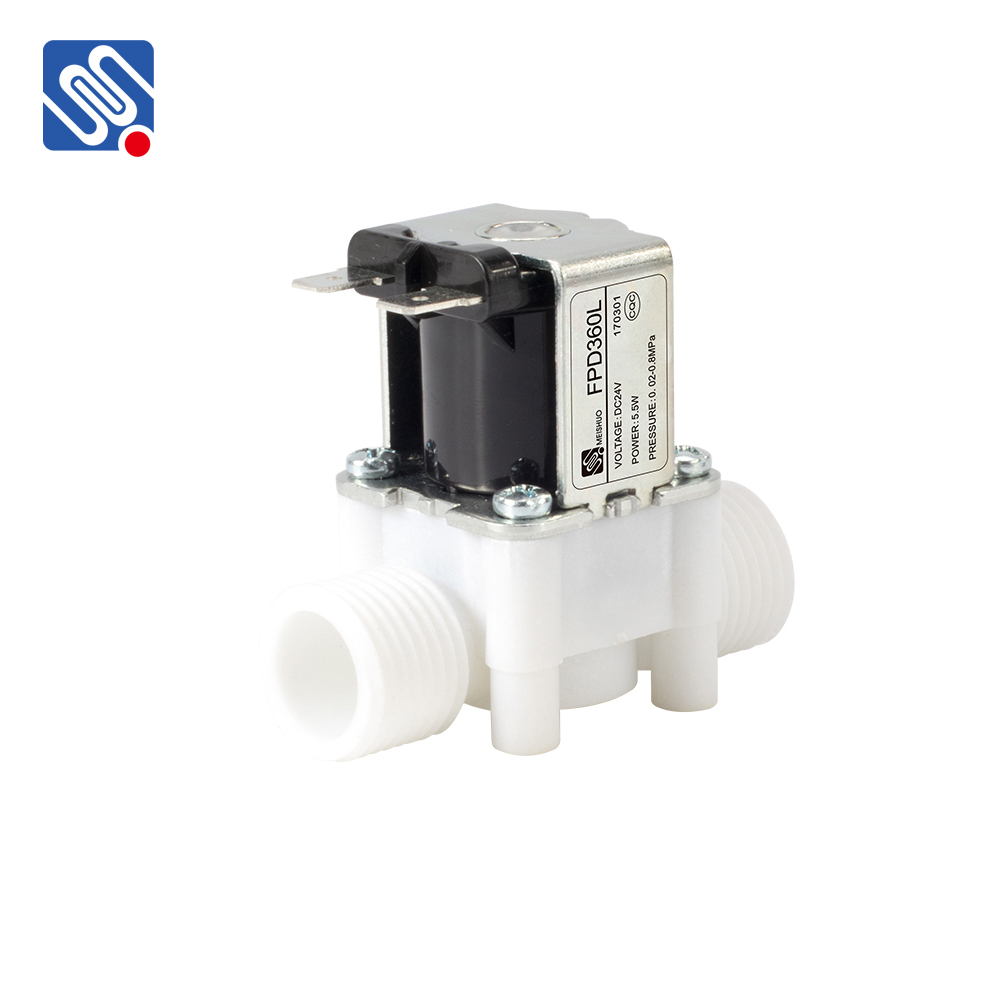
What is a Plastic Water Solenoid Valve? A Plastic Water Solenoid Valve is an electromechanical valve used to control the flow of water through pipes. It operates by using an electric current to create a magnetic field that opens or closes the valve, controlling the flow of liquid. These valves are constructed from plastic materials such as PVC (Polyvinyl Chloride), Nylon, and Polypropylene, which offer excellent corrosion resistance, durability, and flexibility. The valve typically consists of a coil, a plunger, and a valve body, with the coil being energized to generate a magnetic field, which either opens or closes the valve. The main advantage of plastic solenoid valves over metal counterparts lies in their lightweight nature, corrosion resistance, and suitability for handling water and other neutral liquids. These valves are also easier to install and maintain, making them an excellent choice for a variety of applications.