In the realm of modern electronics, controlling high-power circuits using low-power control signals is a common requirement. This necessity arises in various applications, such as automation, robotics, and industrial control systems. One effective solution to this challenge is the Optocoupler Protected Relay Module, a device that ensures electrical isolation and protection for sensitive control circuits while providing reliable switching of high-power loads. This article explores the functionality, benefits, and applications of this crucial component in contemporary electronics.
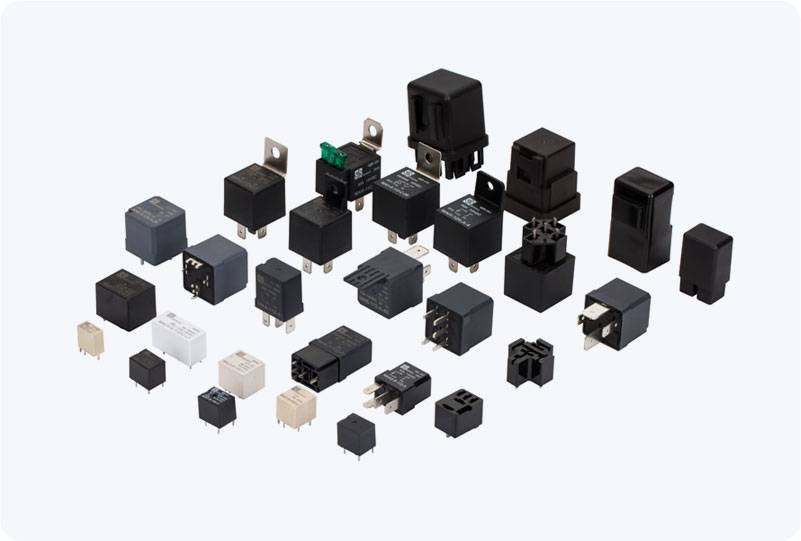
Understanding the Basics of an Optocoupler Protected Relay Module An Optocoupler Protected Relay Module combines two essential components: an optocoupler and a relay. These components work together to enable a low-voltage signal to control a high-voltage load while ensuring that the two circuits are electrically isolated. The optocoupler, also known as an optical isolator, is a semiconductor device that transfers electrical signals between two isolated circuits by using light. It consists of a light-emitting diode (LED) and a photosensitive element, typically a photodiode or phototransistor. The LED emits light when an electrical signal is applied, and the photosensitive element detects the light to trigger a corresponding action in the output circuit.