The Optocoupler Protected Relay Module is an essential component in modern electrical and electronic systems that require both signal isolation and protection. It offers a versatile solution for controlling high-power devices with low-voltage control circuits while ensuring safety and minimizing the risk of damage from electrical surges, overvoltage, or overcurrent conditions. This article explores the key features, working principle, and applications of the Optocoupler Protected Relay Module, as well as the advantages it offers in practical implementations.
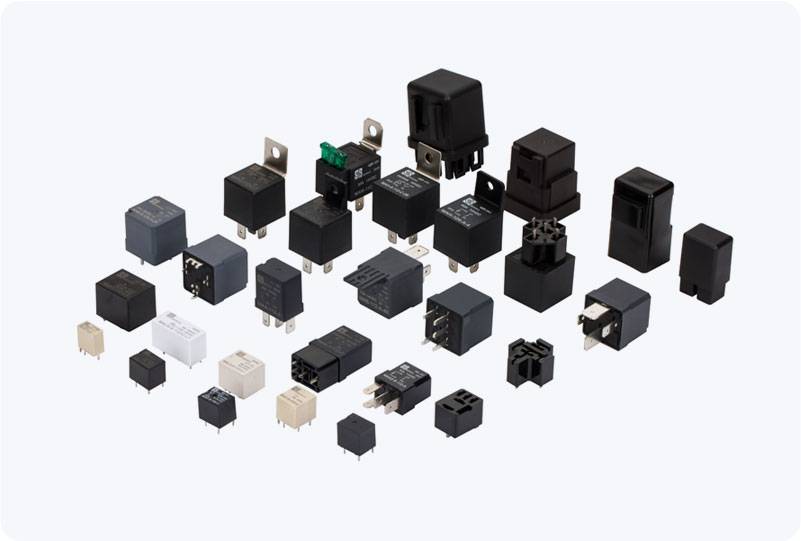
What is an Optocoupler Protected Relay Module? At its core, an Optocoupler Protected Relay Module combines a relay and an optocoupler to isolate and control the flow of electrical current between a low-voltage control system (such as a microcontroller or a logic circuit) and a high-voltage power system. The primary function of the module is to provide protection to sensitive control circuits while enabling them to operate high-power devices like motors, lights, and industrial machinery.
Key Components and Working Principle Optocoupler: The optocoupler is a critical component that ensures electrical isolation. It consists of an LED (Light Emitting Diode) and a phototransistor or photodiode. The LED is driven by the low-voltage control signal, which emits light when powered. The light from the LED activates the phototransistor on the other side, thus triggering the relay without any direct electrical connection. This optical isolation prevents high-voltage spikes or noise from reaching the sensitive control circuits.