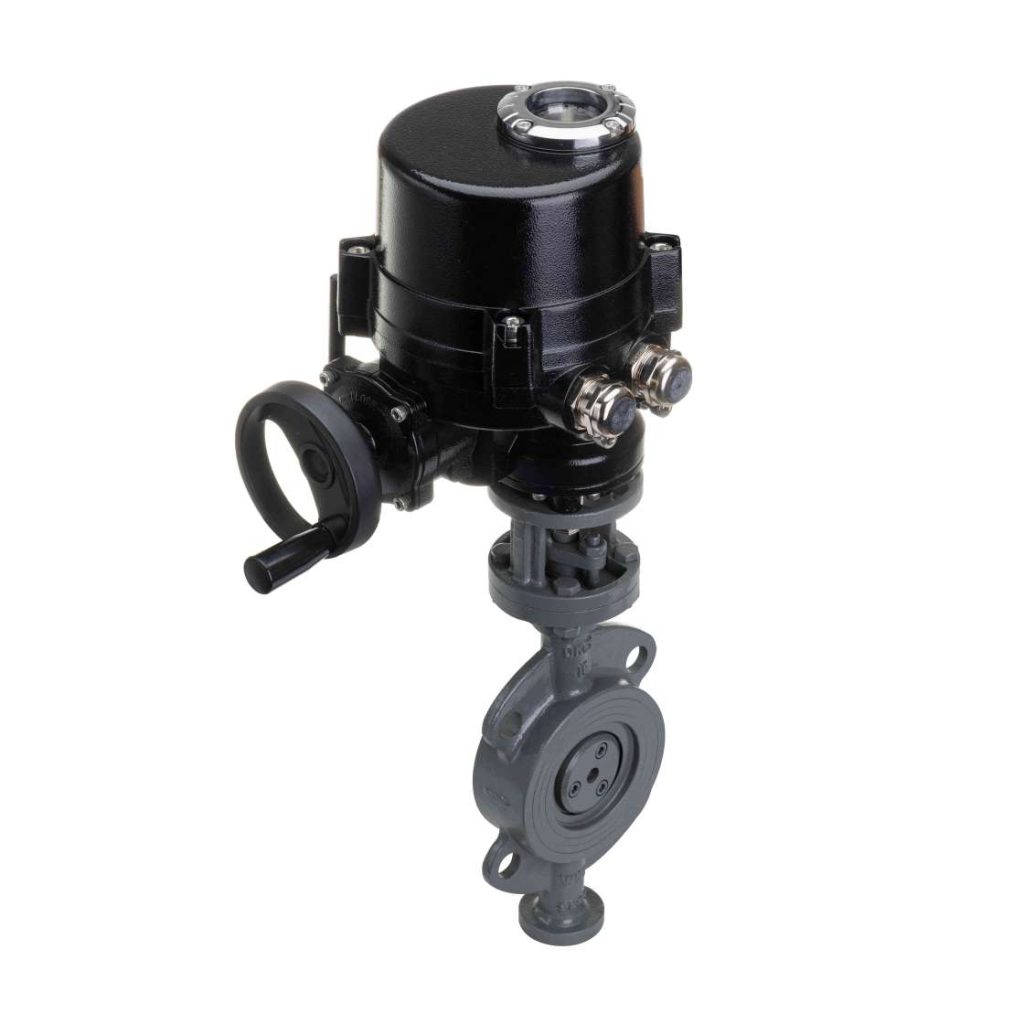
Marine electric butterfly valves play a crucial role in the management of fluid flow in various marine systems, ensuring efficient and reliable operation on ships, offshore platforms, and other maritime infrastructure. These valves combine the simplicity and space-saving design of the butterfly valve with the advanced control capabilities of electric actuation, offering an optimal solution for controlling water, fuel, or other fluids in harsh marine environments. This article will explore the key features, advantages, and applications of marine electric butterfly valves, highlighting their significance in modern maritime engineering.
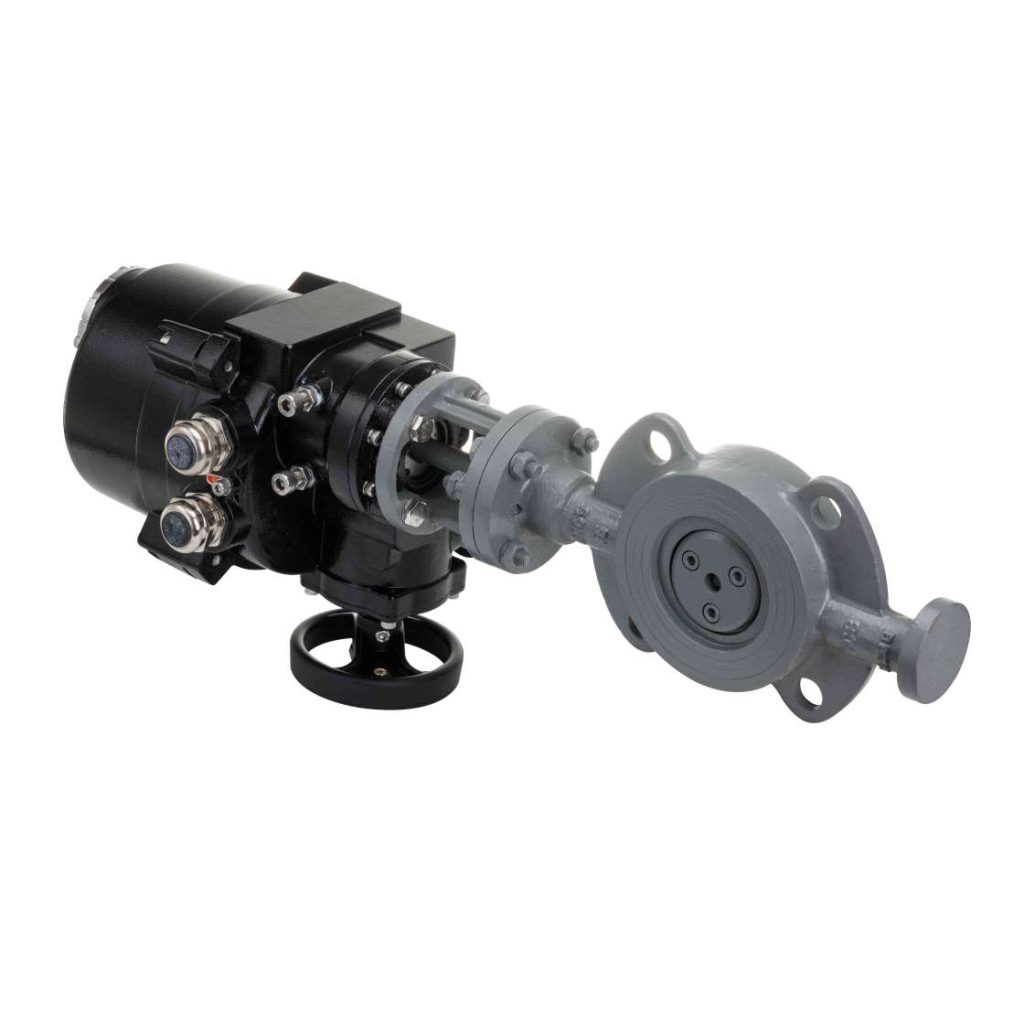
Introduction to Marine Electric Butterfly Valves
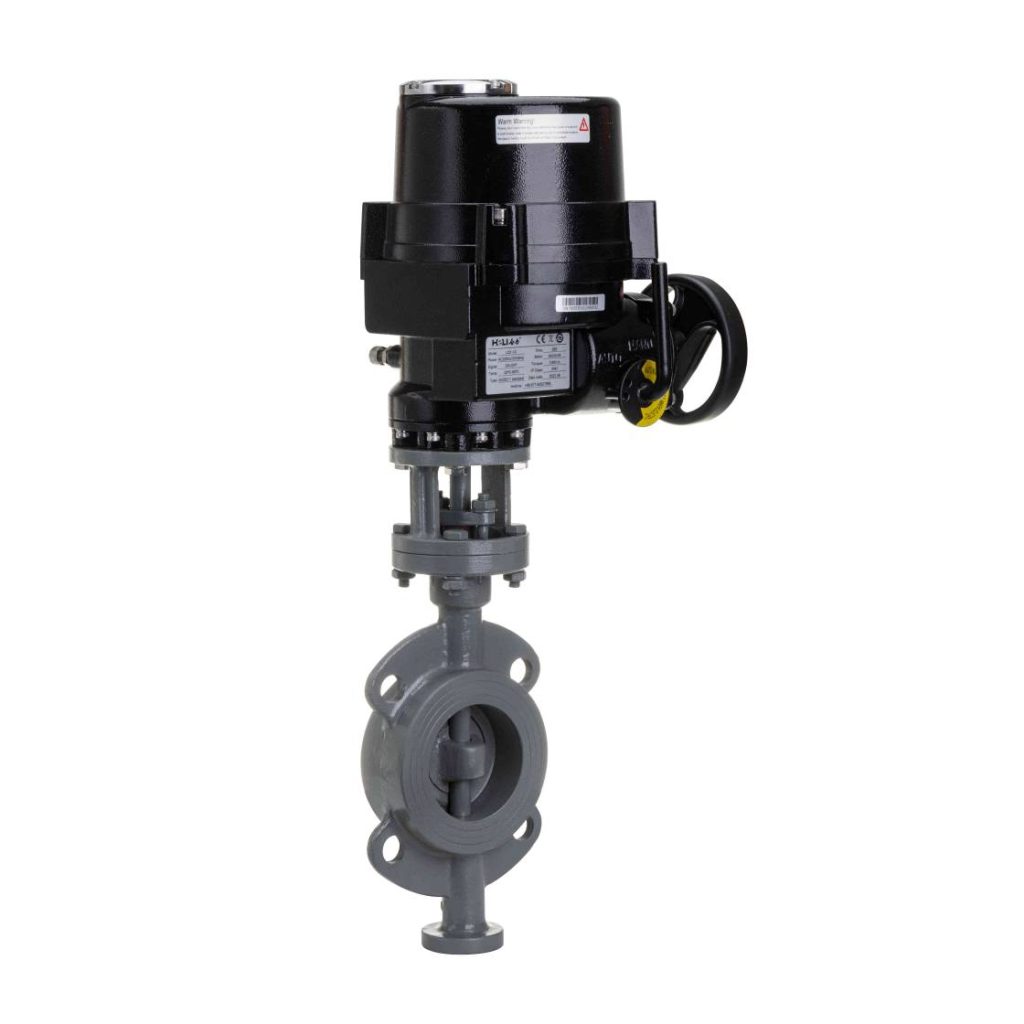
A butterfly valve is a type of flow control valve that uses a rotating disc to regulate the flow of liquids or gases. The disc, often referred to as the “butterfly,” pivots to either fully open or close the flow passage, allowing for efficient flow regulation. In a marine electric butterfly valve, this butterfly mechanism is actuated by an electric motor, providing precise control over the valve’s position. This enables remote operation and integration into automated control systems, which is particularly valuable on large vessels and offshore platforms where efficient and safe operation is paramount.