A Low Flow Solenoid Valve is an essential component in fluid and gas control systems, especially when precise and efficient regulation of low flow rates is required. These valves operate using electromagnetic principles, enabling users to manage the flow of liquids and gases in a variety of industrial and commercial applications. This article will explore the functionality, benefits, and uses of Low Flow Solenoid Valves, highlighting their importance in modern fluid control systems.
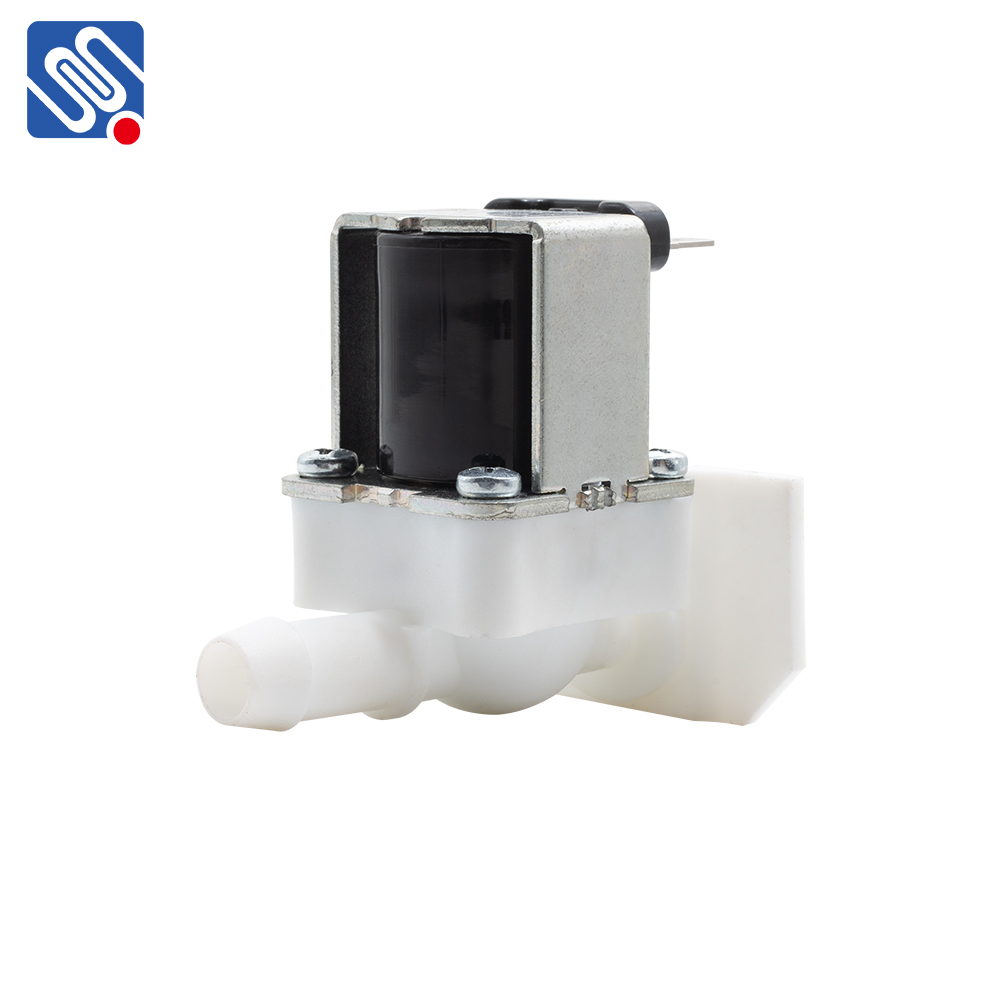
Understanding Low Flow Solenoid Valves A Low Flow Solenoid Valve is designed to control the flow of fluids or gases in systems that operate under low flow conditions. The term “low flow” typically refers to flow rates that are lower than standard, and such conditions often require more careful regulation to ensure accurate and reliable system performance. These valves use an electromagnetic solenoid, which is a coil of wire that, when energized, creates a magnetic field. This magnetic field activates the valve’s internal mechanism, causing it to open or close, allowing or preventing the flow of fluids or gases.