The Low Flow Solenoid Valve is a specialized valve used for controlling the flow of fluids, both liquids and gases, in systems that require extremely accurate and low flow rates. Unlike traditional solenoid valves, which are designed to handle higher flow volumes, low flow solenoid valves are engineered to manage smaller, more precise amounts of fluid, making them essential in fields where precision is paramount. This article explores the functionality, key features, applications, and benefits of low flow solenoid valves.
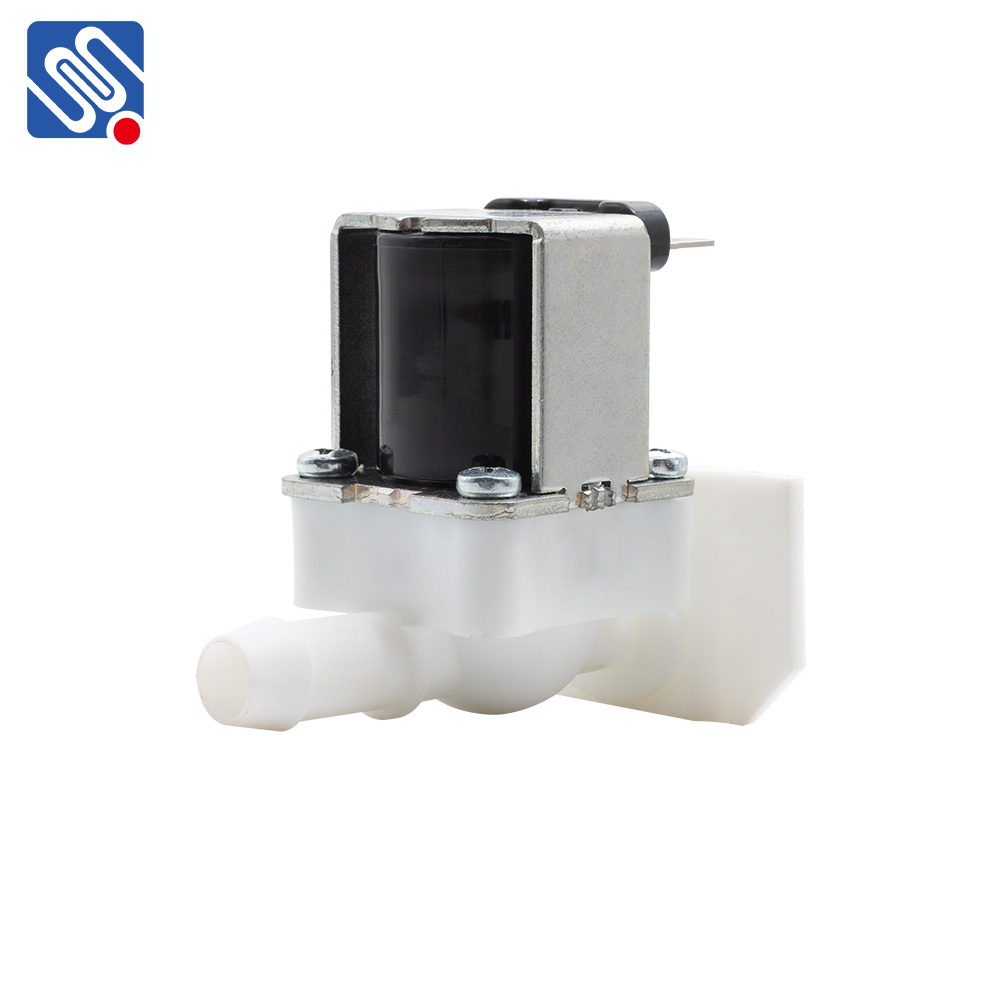
What is a Low Flow Solenoid Valve? A low flow solenoid valve is a device that regulates fluid flow through a pipeline by using an electric solenoid to control the opening and closing of the valve. It is specifically designed to operate with very small flow rates, typically in the range of a few milliliters per minute to a few liters per minute, depending on the specific application and system requirements. This type of valve is commonly used in systems where precise control over fluid flow is essential, such as medical devices, laboratory instruments, and highly specialized industrial processes.