Lockout hasps are essential tools used in industrial safety practices, particularly in workplaces where machinery and electrical systems are regularly maintained or serviced. These devices play a crucial role in preventing accidental startups of equipment, thereby ensuring the safety of maintenance personnel and helping organizations comply with occupational safety regulations. This article provides an overview of lockout hasps, their importance, and factors to consider when obtaining a Lockout Hasps quotation for your organization.
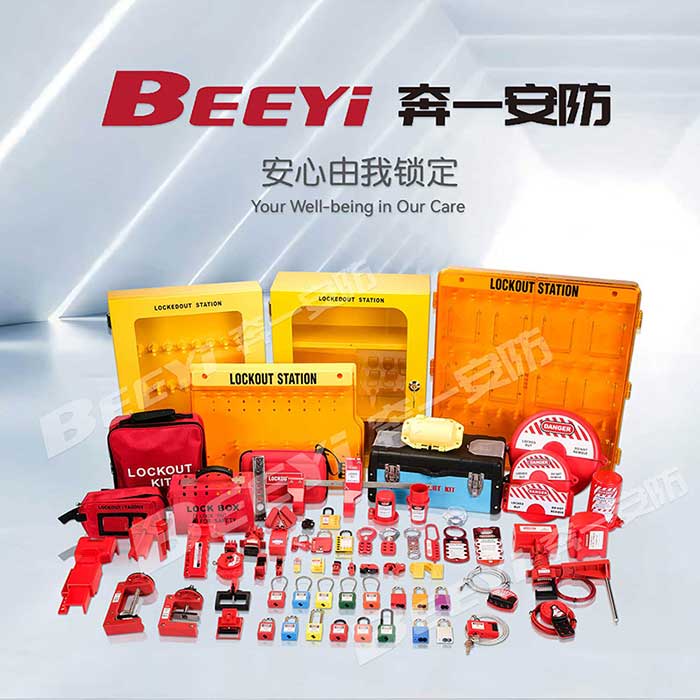
Understanding Lockout Hasps A lockout hasp is a locking device used in combination with a padlock to isolate energy sources during maintenance or repair activities. It is an integral part of the lockout/tagout (LOTO) safety procedure, which is designed to protect workers from hazardous energy sources, such as electricity, steam, or compressed air. The lockout hasp is typically made of durable materials like steel, aluminum, or plastic, and is available in various sizes and designs to suit different types of equipment and lockout protocols. Lockout hasps are typically used when multiple workers need to lock out a single energy source. The hasp allows each worker to place their own lock on the device, ensuring that only authorized personnel can remove the lock once the maintenance task is completed. The use of a lockout hasp ensures that energy cannot be restored to the equipment until all locks are removed, which significantly reduces the risk of accidental activation and injury.