In industrial and maintenance environments, safety is paramount, and ensuring that equipment remains securely locked during maintenance or repair is a critical component of a comprehensive safety protocol. One of the most effective tools for achieving this goal is the Lockout Hasps. These devices prevent the accidental startup of machinery, safeguarding workers from electrical, mechanical, and other potential hazards. While Lockout Hasps are available in various types and materials, the versions manufactured in China have gained widespread recognition for their durability, cost-effectiveness, and compliance with international safety standards.
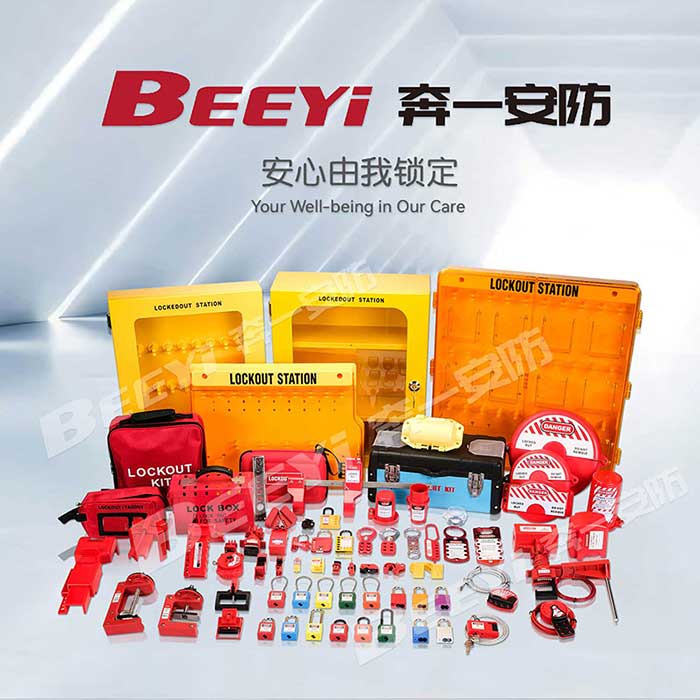
What Are Lockout Hasps? Lockout Hasps are essential components of Lockout/Tagout (LOTO) systems. LOTO is a safety procedure used in industrial settings to ensure that dangerous machines or equipment are properly shut off and cannot be started up again until maintenance or repair work is completed. The Lockout Hasp itself is a metal device that allows multiple locks to be attached to a piece of equipment, ensuring that no one can start it until all workers have removed their respective locks. Lockout Hasps are typically used in conjunction with locks, tags, and other components of a lockout system. They are designed to hold multiple padlocks, preventing unauthorized access to the equipment, while also indicating who has locked out the device. This system plays a vital role in enhancing workplace safety by preventing equipment from accidentally being powered on during repairs or inspections.