Lockout hasps are essential safety devices used in various industries to prevent accidental equipment startups during maintenance and servicing. They serve as a crucial component of the Lockout/Tagout (LOTO) procedures, providing a physical means to secure energy sources and ensure that machinery remains inoperable while employees conduct their work safely. This article provides a comprehensive guide on the installation of lockout hasps, which is vital for promoting a secure working environment.
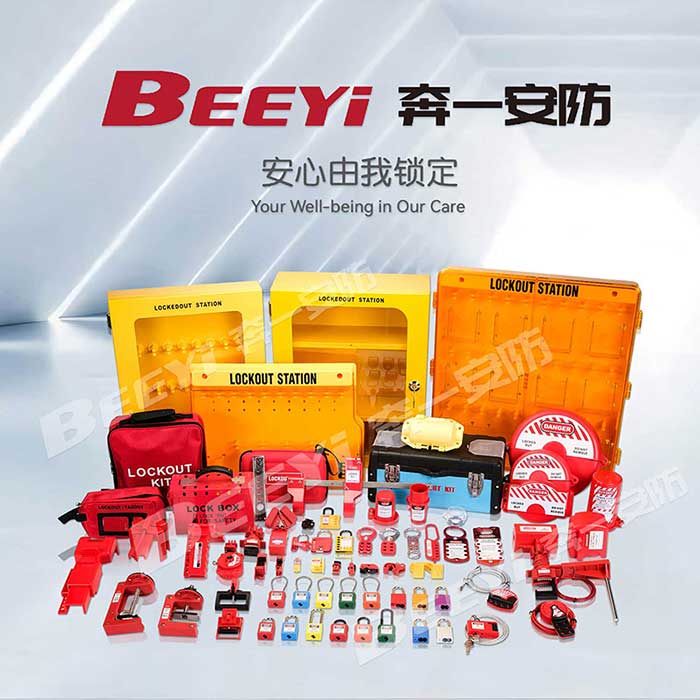
Understanding the Purpose of Lockout Hasps Lockout hasps are designed to allow multiple lockable points on a single device. When multiple workers are involved in servicing the same piece of equipment, each can apply their lock to the hasp, ensuring that nobody can start the machine until all personnel have removed their locks. This critical feature significantly reduces the risks associated with unexpected machinery startups, thereby preventing serious injuries and fatalities. Step-by-Step Installation Guide Step 1: Choose the Right Lockout Hasp The first step in effectively utilizing a lockout hasp is to select the appropriate type. Consider the number of locks that need to be accommodated, as well as the size and design of the hasp. Ensure that it is suitable for the specific equipment and meets your facility’s safety standards. Lockout hasps can vary in size, material, and locking capacity, so it’s essential to choose one that aligns with your requirements.