Latching relays are an essential component in modern power systems, offering unique advantages over traditional relays in terms of energy conservation, reliability, and control flexibility. By retaining their switched state without requiring continuous power supply, latching relays provide a crucial solution for systems where stability and efficiency are paramount. This article explores the function, benefits, and applications of latching relays in power systems.
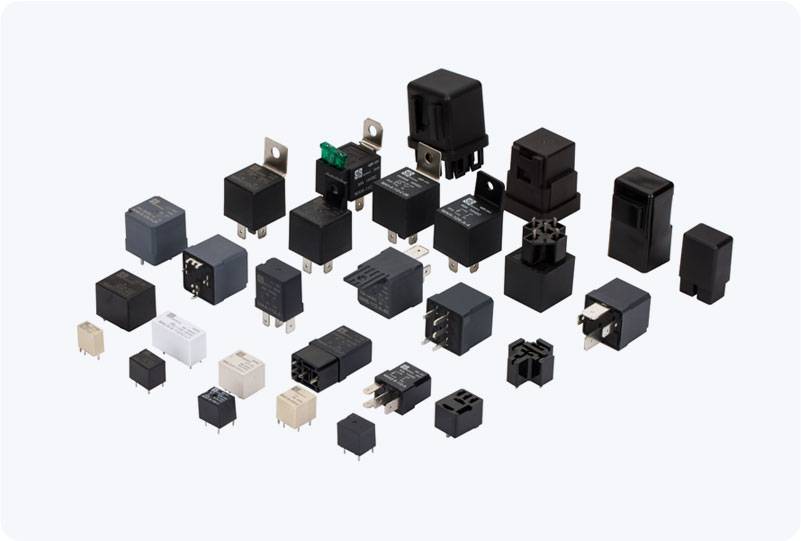
What is a Latching Relay? A latching relay is a type of electromagnetic switch that can maintain its on or off state even after the input power is removed. Unlike conventional relays, which rely on continuous electrical current to stay in one state, a latching relay uses a mechanical mechanism to “latch” in place once it has been activated. To change the state, the relay requires a reverse signal, which ensures that the relay can be controlled remotely or automatically without needing constant power to maintain its condition. Key Features and Operation The primary feature of a latching relay is its ability to “latch” into a state without drawing power. When the relay coil is energized, it switches the relay to one position. Once energized, it stays in that position without needing continuous current to maintain its state. To switch the relay back to the original state, an opposite signal is applied, which de-energizes the coil and allows the relay to return to its previous position.