Industrial Timer Relays are crucial components in modern automation and control systems. These relays provide an efficient, reliable, and simple solution to control the timing of various operations in industrial machinery. They are widely used in applications where timed actions are required, offering both flexibility and precision in controlling electrical circuits. In this article, we will explore the functioning, types, applications, and advantages of Industrial Timer Relays.
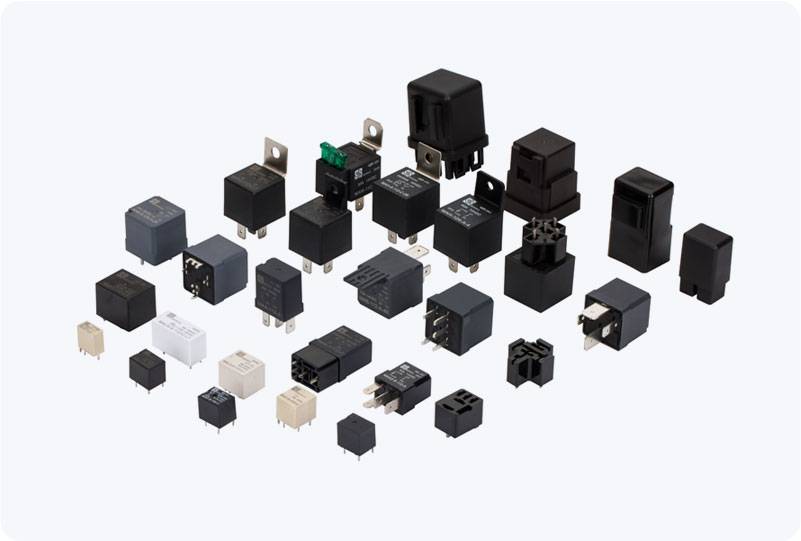
What is an Industrial Timer Relay? An Industrial Timer Relay is a type of relay that is designed to control circuits based on a predetermined time delay. Essentially, it operates by either delaying the opening or closing of a switch after a specified time interval. The relay has an in-built timer that automatically triggers its function, allowing for scheduled operations in systems such as motors, lights, and other electrical devices. The main purpose of a Timer Relay is to eliminate the need for manual timing of operations, making industrial processes more efficient and automated. Whether it’s to delay the start of a motor, control the cycling of a heating system, or create a time-based safety shutdown, the Industrial Timer Relay helps optimize productivity while ensuring equipment longevity.