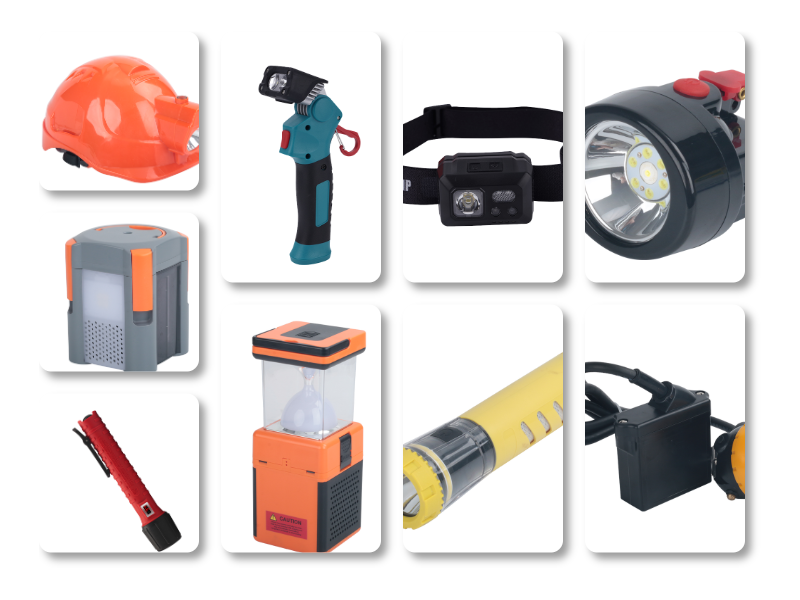
In the rapidly evolving landscape of industrial development, ensuring safety remains a paramount concern. China, being one of the world’s leading industrial hubs, has made significant strides in implementing high power tactical explosion proof technologies to safeguard its workforce and infrastructure. This article delves into the intricacies of industrial safety, high power tactical explosion proof systems, and their significance in China’s industrial sector.
**The Significance of Industrial Safety**
Industrial safety is not just a regulatory requirement but a cornerstone of sustainable industrial growth. In China, where heavy industries dominate the economic landscape, the importance of safety cannot be overstated. Accidents in industrial settings can lead to loss of life, property damage, and environmental degradation. Therefore, investing in safety technologies is crucial for maintaining a healthy and productive work environment.
**High Power Tactical Explosion Proof Systems**
High power tactical explosion proof systems are designed to protect equipment and personnel in environments where the risk of explosion is high. These systems are commonly used in industries such as oil and gas, chemical processing, and mining. The key features of these systems include:
1. **Intrinsically Safe Design**: These systems are designed to prevent the ignition of flammable gases, vapors, or dust particles. This is achieved by limiting the energy available to create an ignition source.
2. **Electrical and Mechanical Protection**: High power tactical explosion proof systems incorporate robust electrical and mechanical components that can withstand harsh industrial conditions.
3. **Regular Maintenance and Inspection**: To ensure the continued effectiveness of these systems, regular maintenance and inspection are essential. This helps identify and rectify any potential issues before they lead to accidents.
**China’s Approach to Industrial Safety**
China has taken several measures to enhance industrial safety, including:
1. **Stringent Regulations**: The Chinese government has implemented stringent regulations to ensure compliance with international safety standards. These regulations cover various aspects, from equipment design to operational procedures.
2. **Investment in Safety Technologies**: China has been investing heavily in the development and adoption of high power tactical explosion proof technologies. This investment has led to the creation of advanced safety solutions that are tailored to the country’s specific industrial needs.
3. **Training and Awareness Programs**: The government and private sector organizations in China have been conducting training and awareness programs to educate workers about safety practices. This has helped in reducing the number of accidents in industrial settings.
**Challenges and Future Prospects**
Despite the progress made in industrial safety, China still faces several challenges. These include:
1. **Outdated Infrastructure**: In some parts of the country, industrial infrastructure is outdated and does not meet modern safety standards.
2. **Lack of Uniformity**: There is a lack of uniformity in safety practices across different industries and regions.
3. **Resource Allocation**: Allocating sufficient resources for safety initiatives remains a challenge for many companies.
Looking ahead, China is poised to overcome these challenges. With continued investment in safety technologies, stringent regulations, and increased awareness, the country is likely to see a significant reduction in industrial accidents. This will not only protect lives and property but also contribute to the overall growth and development of the industrial sector.
In conclusion, industrial safety high power tactical explosion proof systems play a crucial role in protecting China’s industrial workforce and infrastructure. As the country continues to invest in safety technologies and promote awareness, the future looks promising for a safer and more sustainable industrial landscape.