In the realm of industrial automation, electrical components play a vital role in ensuring that systems operate smoothly and efficiently. One such critical component is the industrial relay, an electrically operated switch that serves as the bridge between low-power control circuits and high-power operational systems. By enabling automated control of heavy-duty machinery and electrical equipment, industrial relays are indispensable in industries ranging from manufacturing to energy distribution. This article explores the function, types, applications, and significance of industrial relays in modern industrial systems.
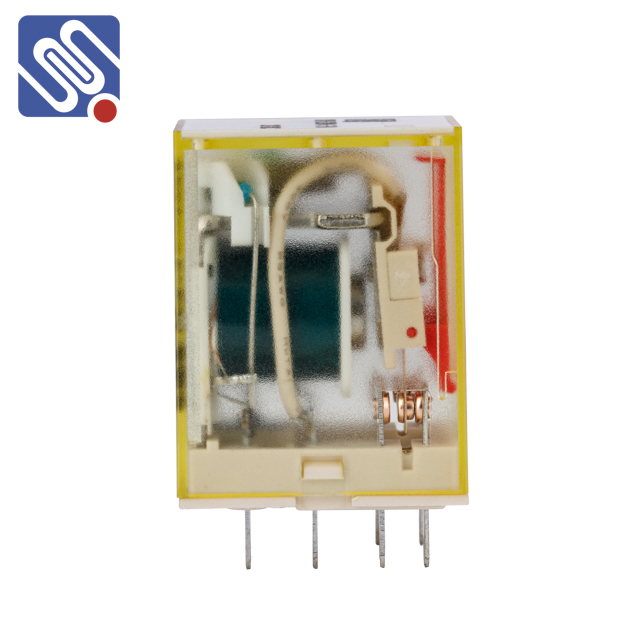
The Function of Industrial Relays An industrial relay works by using an electromagnetic coil to open or close contacts that control the flow of electricity. When the relay coil is energized, it generates a magnetic field that pulls the armature, causing the contacts to either close or open a circuit. This action enables the control of high-power devices such as motors, lights, and heating elements, using a low-power electrical signal. The primary function of a relay is to isolate the control system from the high-power systems it operates. This is crucial for protecting delicate control circuits from potential damage due to the high current in the system being controlled. The ability to control large electrical loads with minimal power is one of the most important features of industrial relays.