Industrial power relays for motor control are critical components in the automation and manufacturing industries. These relays are designed to manage the switching of electrical circuits, particularly for high-power loads such as motors, heating elements, transformers, and more. Their importance lies not only in their ability to control the operation of industrial motors but also in their role in providing protection and ensuring the long-term reliability of motor-driven systems. This article will explore the function, features, and benefits of industrial power relays, highlighting their significance in motor control applications.
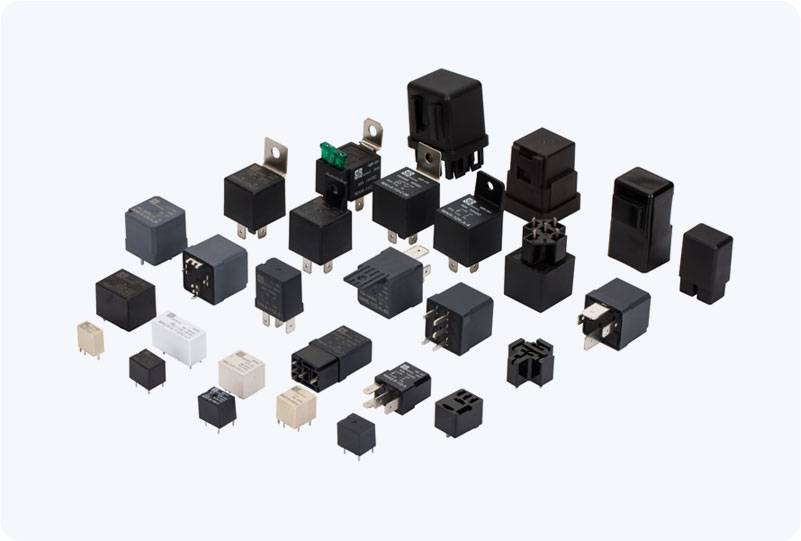
What is an Industrial Power Relay for Motor Control? An industrial power relay for motor control is an electrical device used to control the switching of high-voltage and high-current circuits, specifically in motor control systems. It acts as a switch that connects and disconnects electrical power to motors or other heavy-duty equipment. These relays are built to handle the significant electrical demands of industrial environments, where motors typically draw large currents during startup and normal operation. These relays are commonly used in conjunction with other motor control equipment such as contactors, programmable logic controllers (PLCs), overload relays, and motor protection devices. They help manage the operational states of motors, including their start, stop, and fault conditions, ensuring safe and efficient operation.