Industrial control relays are indispensable components in the realm of industrial automation and control systems. These devices function as electrical switches, enabling operators to control high-power electrical systems with low-power signals, making them a critical part of ensuring smooth and safe industrial operations. From controlling motors to protecting sensitive equipment from overloads, industrial control relays play a key role in the efficiency and safety of manufacturing processes. This article delves into the significance, operation, types, and applications of industrial control relays in modern industries.
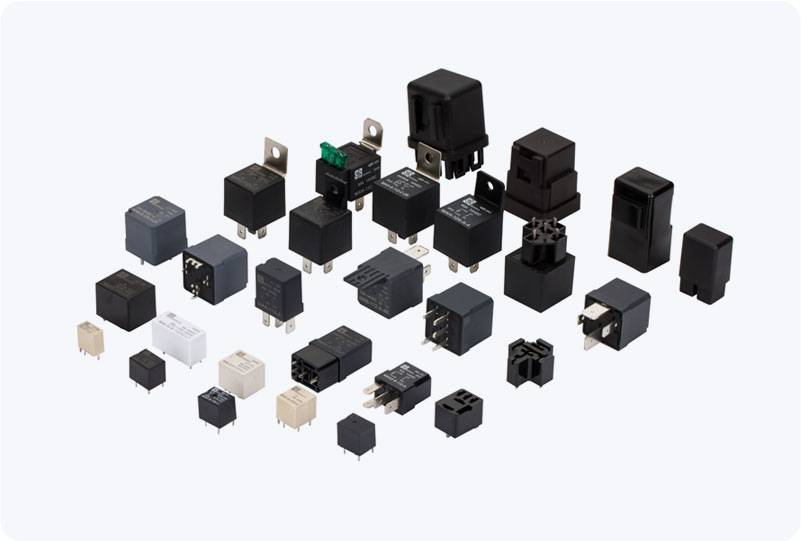
What is an Industrial Control Relay? An industrial control relay is an electromechanical device that allows an electrical circuit to be controlled by a low-power signal. These relays use electromagnets to open or close contacts that control the flow of electricity in high-power circuits. In essence, relays serve as electrical switches that can turn systems on or off based on the commands they receive, all while operating in potentially hazardous or high-current environments. When an electrical current passes through the relay’s coil, it generates a magnetic field, which either pulls or releases the relay’s contact points. This action leads to either closing or opening the circuit, thereby activating or deactivating the connected equipment.