Industrial relays are fundamental components in the control and protection of electrical systems. These devices monitor electrical circuits and detect faults, allowing for quick isolation of problem areas to prevent further damage. The effectiveness of industrial relays is highly dependent on adherence to internationally recognized standards, and the IEEE (Institute of Electrical and Electronics Engineers) plays a crucial role in establishing these guidelines. The IEEE Standards for Industrial Relays provide essential specifications to ensure that these devices function reliably, efficiently, and safely across a range of industrial applications.
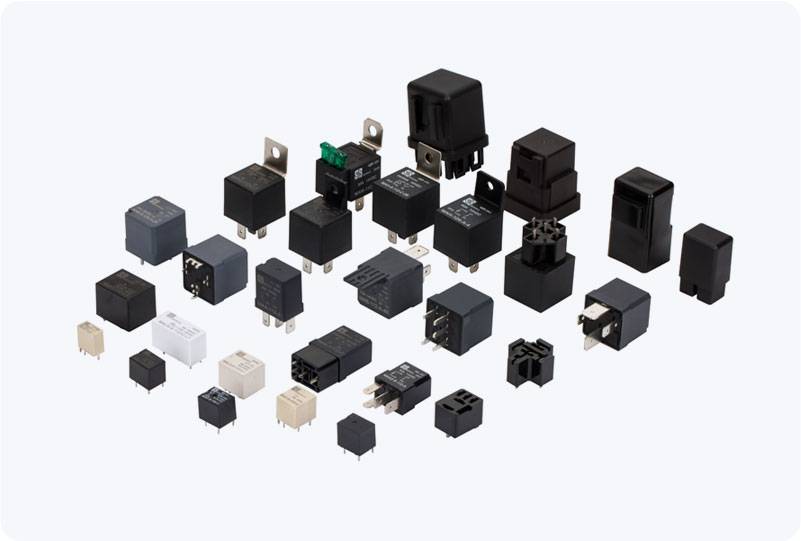
The Importance of IEEE Standards for Industrial Relays The industrial relay market is vast, with these components being utilized in power plants, substations, and various industrial settings. The primary purpose of an industrial relay is to monitor electrical systems, respond to faults, and safeguard equipment by opening or closing electrical contacts based on pre-set parameters. Whether used for overload protection, under-voltage detection, or fault isolation, industrial relays are critical for maintaining the stability and integrity of power systems. IEEE standards offer a detailed framework that ensures these relays meet specific criteria for performance, environmental adaptability, and safety. These standards promote uniformity in relay design, testing, and operation, guaranteeing that devices manufactured by different companies will perform similarly under similar conditions. For engineers and system designers, adhering to IEEE standards allows for the seamless integration of relays into complex power systems.