In the automotive industry, safety is paramount. With the increasing reliance on electronic control systems in vehicles, ensuring the safety and reliability of these systems has become more important than ever. One of the critical components that plays a role in this is the automotive relay, especially those that are IEC 61508 compliant. These relays are designed to meet the stringent safety standards required for automotive systems, ensuring that vehicles can operate safely even in the event of a malfunction. This article explores the significance of IEC 61508 compliant automotive relays and their role in modern vehicle safety.
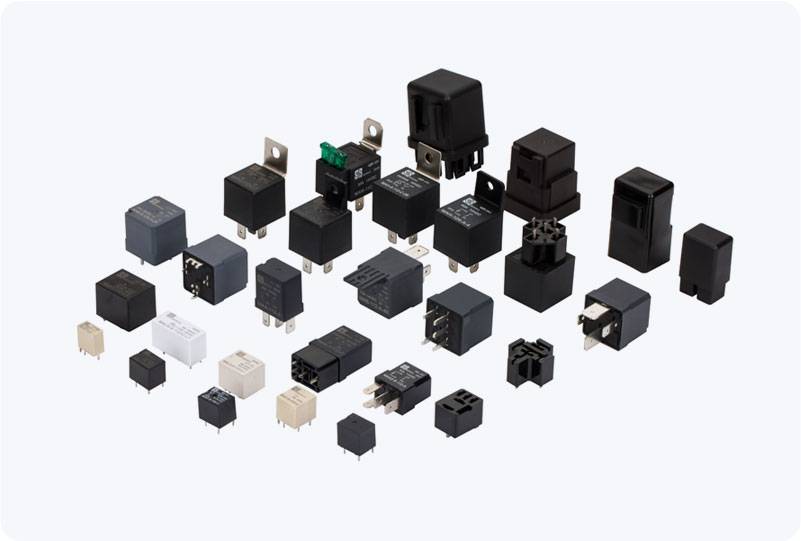
What is IEC 61508? IEC 61508 is an international standard for functional safety in electrical, electronic, and programmable electronic systems. It is particularly relevant to industries where safety is critical, such as automotive, aerospace, and industrial automation. The standard defines the entire safety lifecycle of systems, from design and installation to operation and decommissioning. It emphasizes the importance of preventing, detecting, and mitigating failures to ensure that systems operate without causing harm to people or the environment. One of the key aspects of IEC 61508 is the Safety Integrity Level (SIL), which measures the reliability and safety of a system. The SIL is categorized into four levels, with SIL 4 representing the highest level of safety. Automotive systems, depending on their criticality, may require compliance with different SIL levels, with higher levels often applied to safety-critical functions like braking, steering, and airbags.