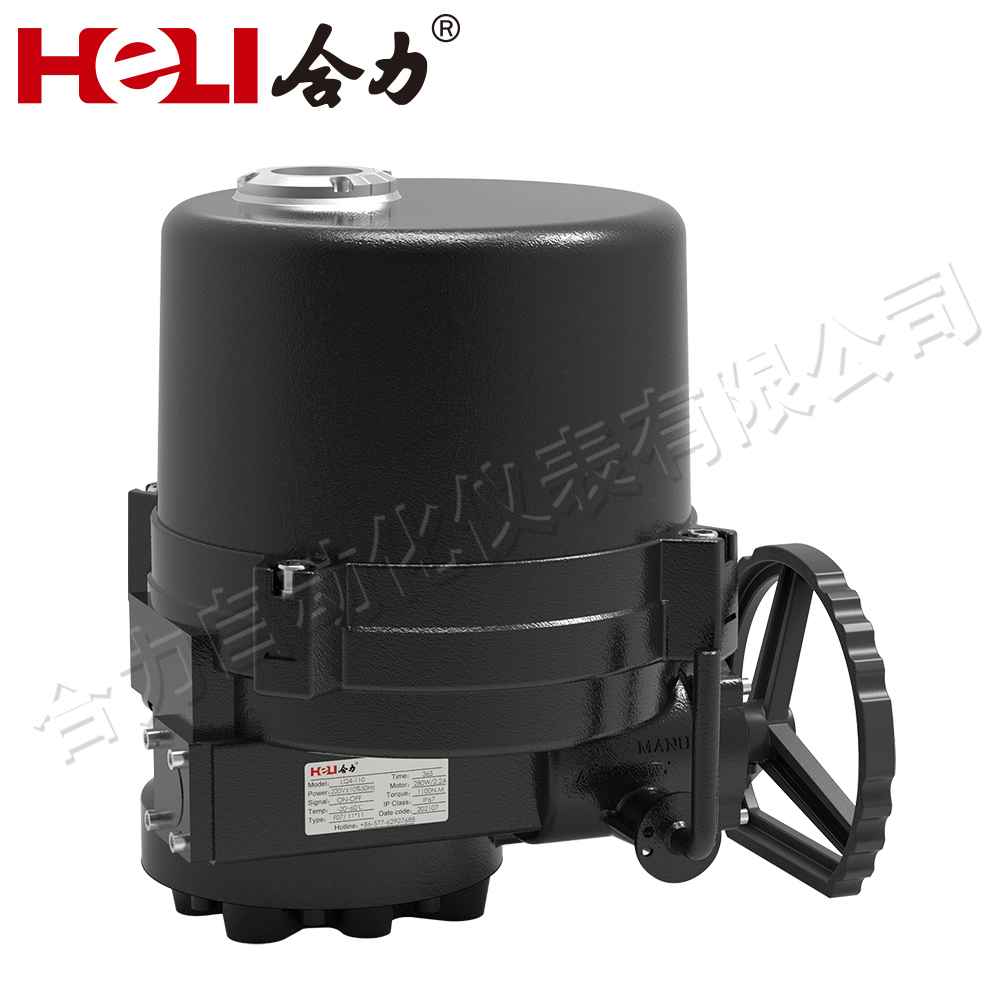
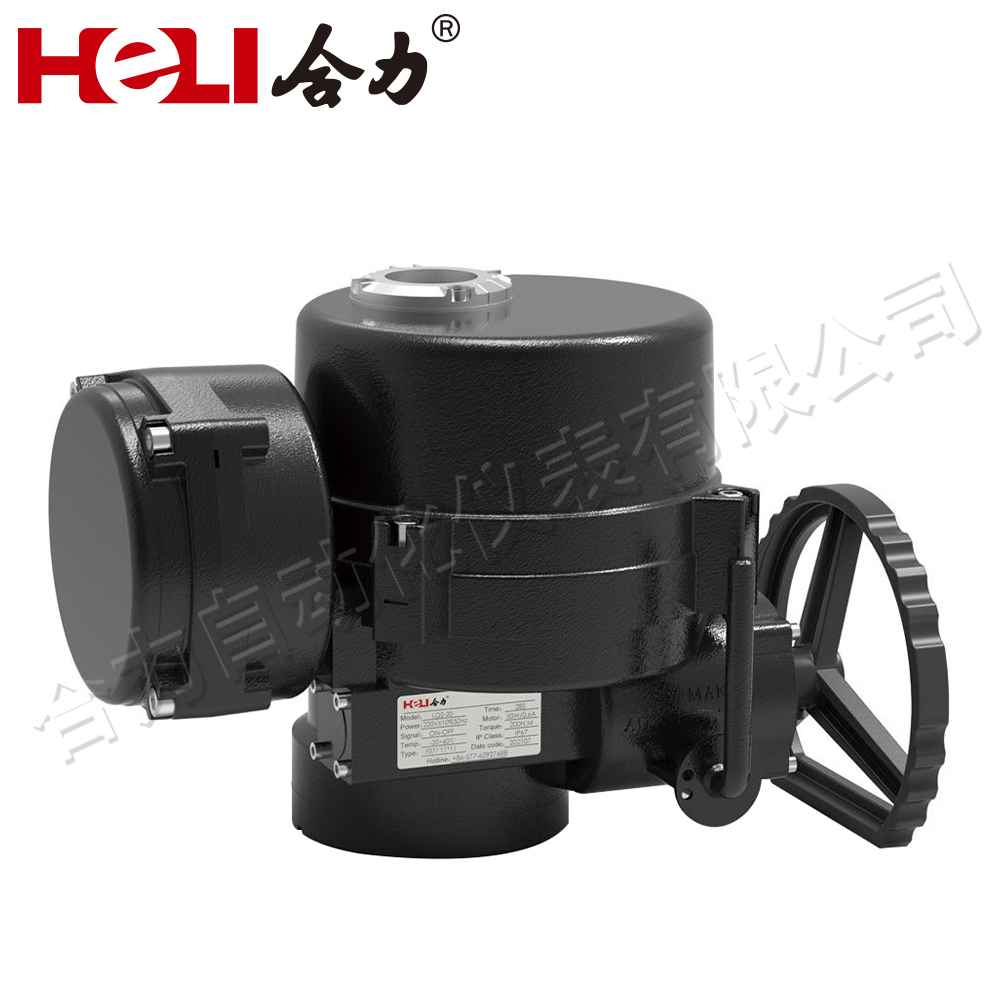
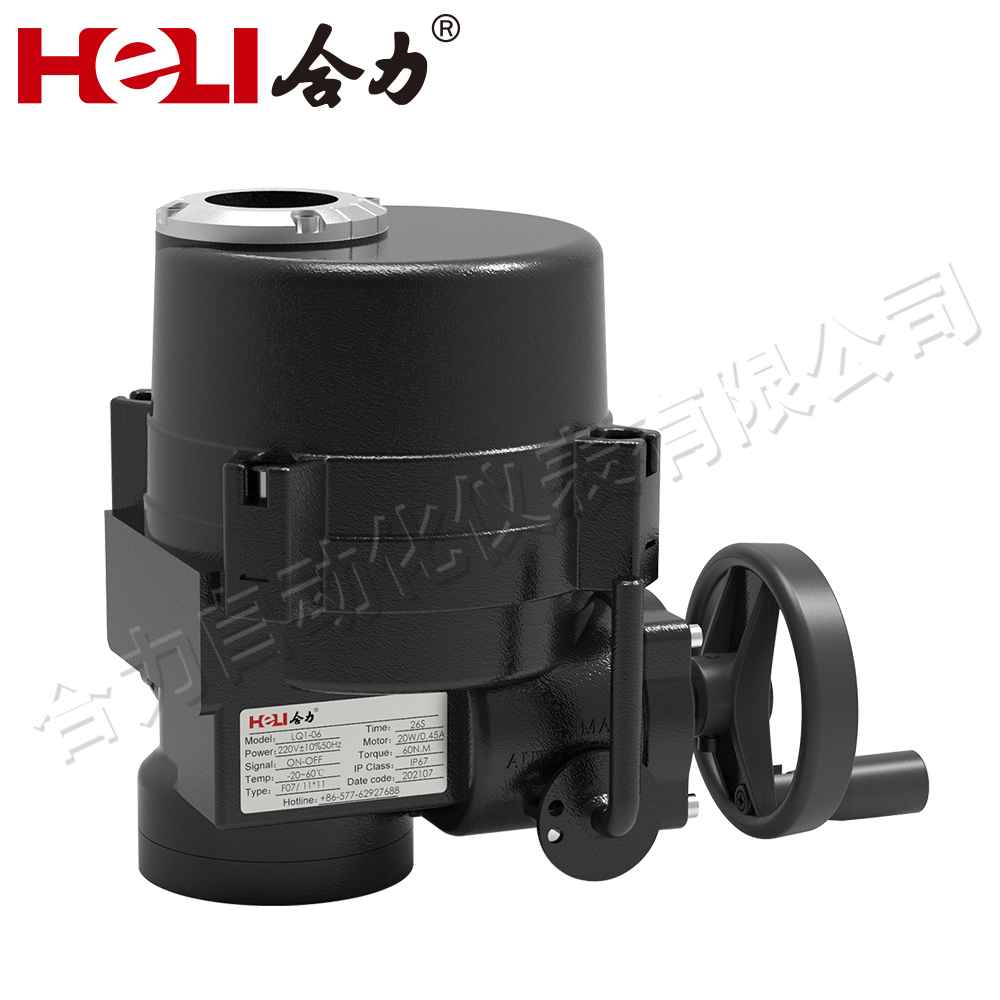
The advent of new, sustainable energy sources and smart technologies is transforming industries globally. Among these innovations, hydrogen energy stands out as a promising alternative to traditional fossil fuels, with its clean, eco-friendly properties. When combined with intelligent control systems and wireless electric actuators, hydrogen energy has the potential to revolutionize the way we automate processes, improve efficiency, and reduce environmental impacts. This article delves into the role of hydrogen energy in intelligent control systems, specifically focusing on wireless electric actuators, and explores how this technology is paving the way for the future of automation.
Hydrogen Energy: A Sustainable Power Source
Hydrogen is considered one of the most abundant and versatile energy carriers. It can be used in fuel cells to produce electricity, with water vapor being the only emission, making it an incredibly clean energy source. As concerns over climate change and air pollution continue to rise, hydrogen energy presents an opportunity to replace carbon-heavy fuels such as coal, oil, and natural gas. When generated from renewable sources such as wind, solar, or hydroelectric power, hydrogen can offer a sustainable and carbon-neutral solution for many industrial applications. One of the most significant advantages of hydrogen energy is its potential to decarbonize industries that are difficult to electrify, such as heavy manufacturing and transportation. However, the successful implementation of hydrogen energy requires an integrated infrastructure, advanced technologies, and efficient control systems.