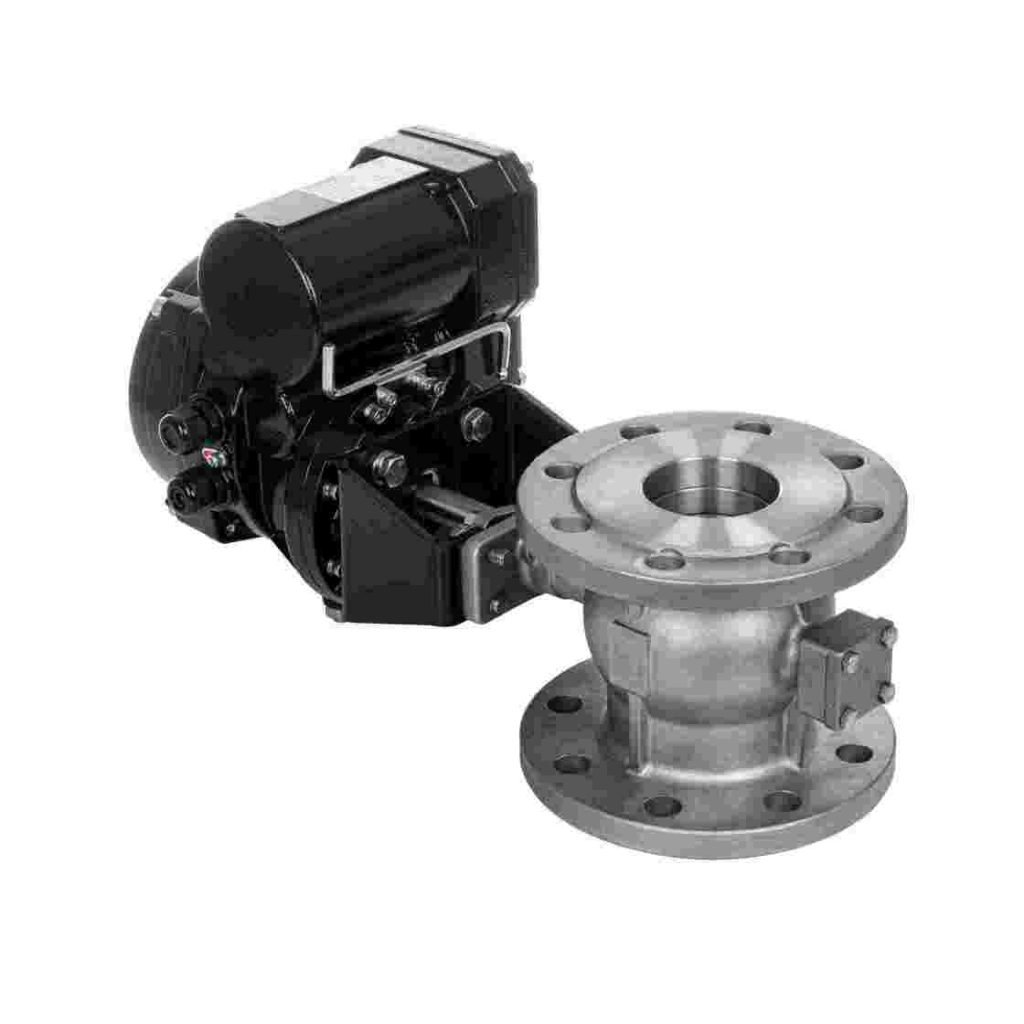
In the growing pursuit of sustainable energy solutions, hydrogen has emerged as a promising alternative to traditional fossil fuels. As the world transitions toward cleaner, more efficient energy systems, hydrogen energy is seen as a crucial part of the future. In this context, the Hydrogen Energy Electric Stainless Steel Ball Valve plays a pivotal role in ensuring the safe, reliable, and efficient transport and control of hydrogen gas. This article delves into the significance of these valves in hydrogen energy systems, highlighting their construction, functionality, and advantages.
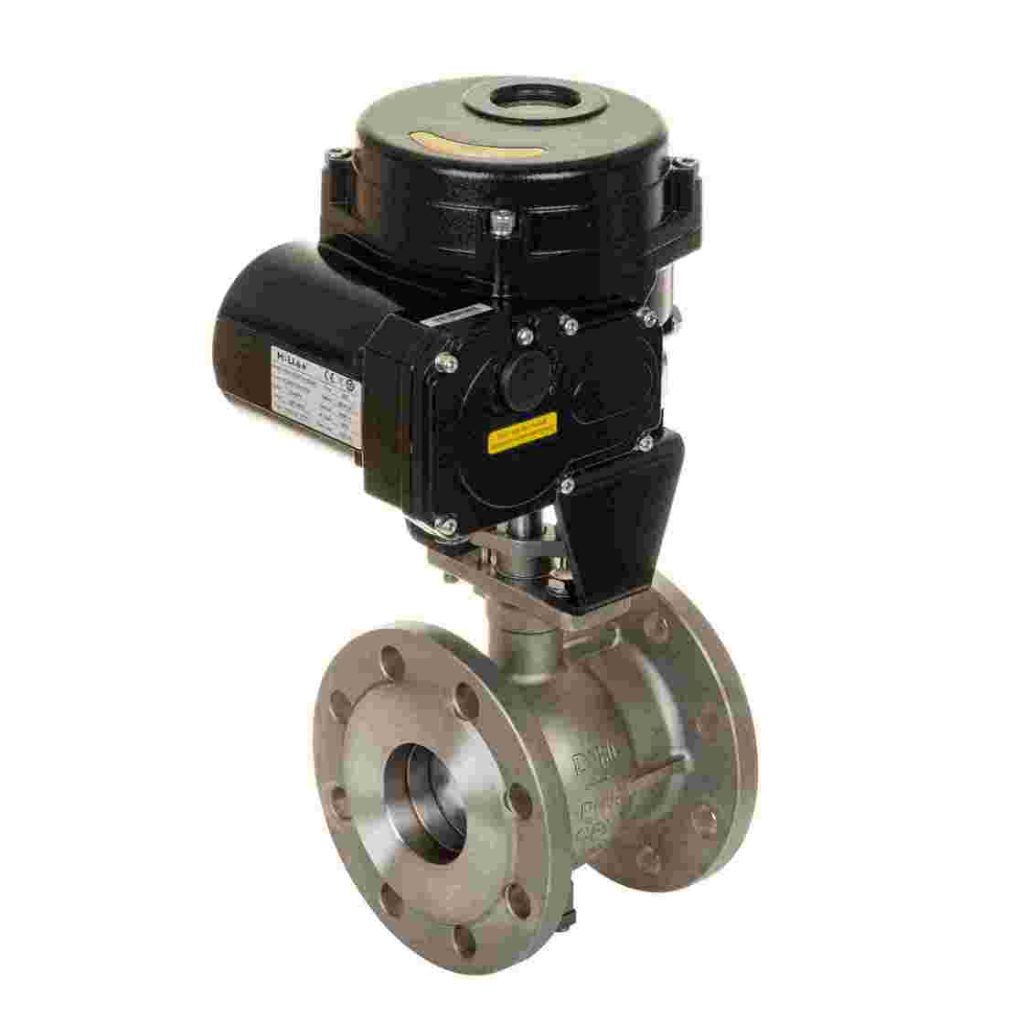
What is a Hydrogen Energy Electric Stainless Steel Ball Valve?
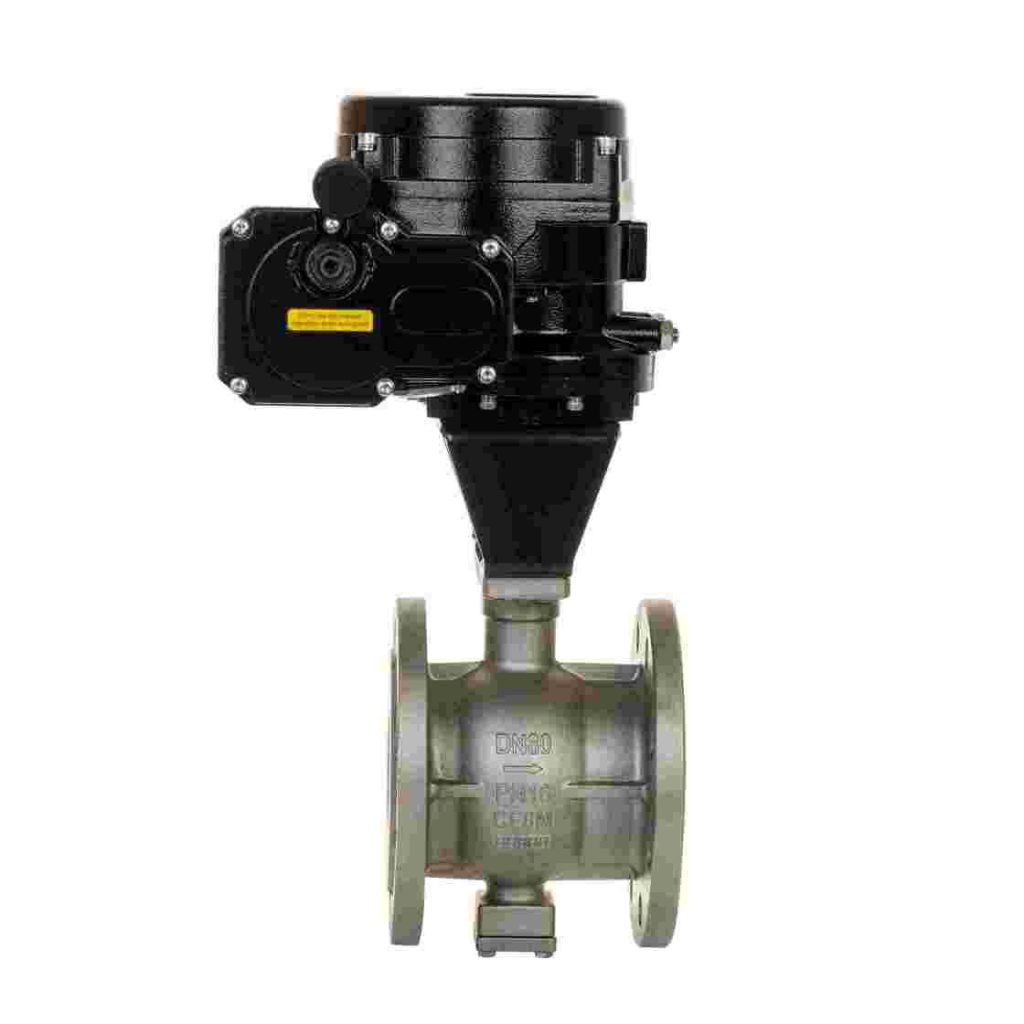
A Hydrogen Energy Electric Stainless Steel Ball Valve is a type of valve designed to regulate the flow of hydrogen gas in various industrial applications, particularly those focused on hydrogen energy. The valve is electrically operated, meaning it uses an electric actuator to control its opening and closing, as opposed to manual or pneumatic actuators. The “stainless steel” in its name refers to the material used in the valve’s construction, chosen for its durability, resistance to corrosion, and ability to withstand high pressures. The ball valve design is characterized by a spherical “ball” with a hole in the center. When the valve is open, the hole aligns with the flow path, allowing gas to pass through. When the valve is closed, the ball rotates to block the flow. The electric actuator controls this rotation, offering precise control over the gas flow, which is critical in many industrial processes involving hydrogen.