Hydrogen energy has long been hailed as one of the most promising alternatives to fossil fuels, offering a pathway to reduce global carbon emissions and mitigate climate change. As the world shifts toward sustainable energy sources, the role of hydrogen in the energy landscape continues to grow. One crucial component in the efficient distribution and regulation of hydrogen is the Hydrogen Energy Electric Single Seat Regulating Valve. These valves, which play an essential role in controlling hydrogen flow within industrial systems, are at the forefront of advancing hydrogen technology. In this article, we will explore the significance, working mechanism, and benefits of these valves in the context of hydrogen energy applications.
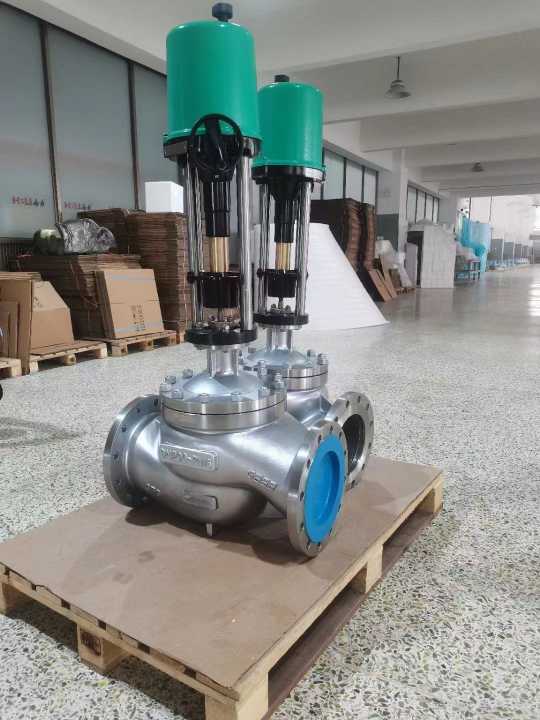
Understanding Hydrogen Energy and Its Role in Sustainability Hydrogen energy, produced by harnessing hydrogen gas (H2), is one of the most abundant and cleanest forms of energy. When burned or used in fuel cells, hydrogen combines with oxygen to produce water as the only byproduct, making it an environmentally friendly alternative to conventional energy sources like coal, oil, and natural gas. Given its potential for decarbonizing industries, transportation, and power generation, hydrogen is being increasingly recognized as a critical element of a sustainable energy future. Hydrogen can be produced from various sources, including water electrolysis and natural gas reforming. Once produced, it must be transported, stored, and distributed in a safe and controlled manner to ensure its effective use. This is where the Hydrogen Energy Electric Single Seat Regulating Valve comes into play.