In recent years, the global push towards renewable energy sources has gained significant momentum, with hydrogen energy emerging as one of the most promising alternatives to traditional fossil fuels. Hydrogen fuel is considered a clean, sustainable energy solution, capable of reducing greenhouse gas emissions and supporting energy security. As the demand for hydrogen-based solutions increases, the efficiency and reliability of systems designed to handle hydrogen become increasingly crucial. One such system component that has garnered attention is the Hydrogen Energy Electric Pinch Valve. This innovative valve plays a pivotal role in optimizing the flow of hydrogen, ensuring safety and precision in hydrogen fuel systems.
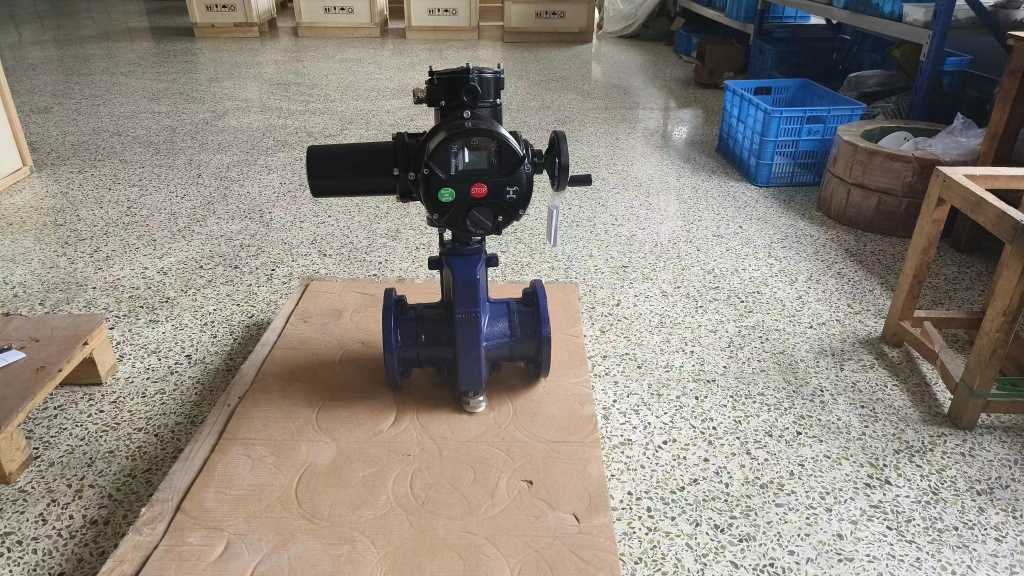
What is a Hydrogen Energy Electric Pinch Valve? A pinch valve is a type of valve used to control the flow of fluids or gases through a tube or pipe by pinching the tube at a specific location. The electric pinch valve, as the name suggests, is electrically actuated and provides automated control over the flow of media. Unlike traditional valves that use mechanical parts, pinch valves utilize flexible elastomeric sleeves to achieve a sealing effect. This feature makes them ideal for handling highly corrosive, abrasive, or delicate materials such as hydrogen gas. The Hydrogen Energy Electric Pinch Valve is specifically designed for applications within the hydrogen energy sector, particularly in hydrogen fuel cells, storage, and transportation systems. These valves are engineered to work in harsh conditions, offering superior sealing performance while maintaining flow accuracy and consistency. The use of electric actuation ensures fast response times and precise control, which is crucial in systems where even minor fluctuations in hydrogen flow can result in significant operational issues or safety hazards.