In high voltage electrical systems, insulation is a critical component in ensuring the safe and reliable operation of equipment. The failure of insulation can lead to catastrophic consequences, including equipment damage, fires, and even loss of human life. To mitigate these risks, an essential safety device known as the HV Insulation Fault Relay is used. This article explores the importance of HV Insulation Fault Relays in high voltage systems, their functionality, and their role in preventing electrical faults and accidents.
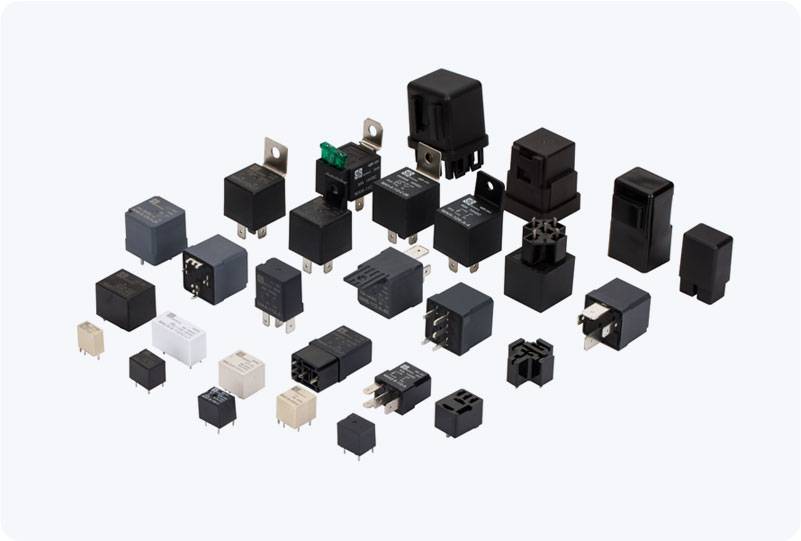
Understanding the HV Insulation Fault Relay The HV Insulation Fault Relay is a protective device used primarily in high-voltage electrical systems. Its main function is to detect insulation failures within electrical equipment and systems. These relays are critical in monitoring the integrity of the insulation material in equipment such as transformers, switchgear, and cables. When insulation deteriorates or fails, the relay promptly detects the issue and initiates protective actions, including alarms or disconnection of the faulty section to prevent further damage. The Importance of Insulation Monitoring