The High Voltage Distribution Relay plays a vital role in ensuring the safe and efficient operation of power systems, particularly in high-voltage distribution networks. As the backbone of electrical grids, these relays are tasked with protecting both equipment and the broader network from faults that could lead to catastrophic failures or long-term damage. In this article, we will explore the importance, functions, and applications of High Voltage Distribution Relays in the context of power systems.
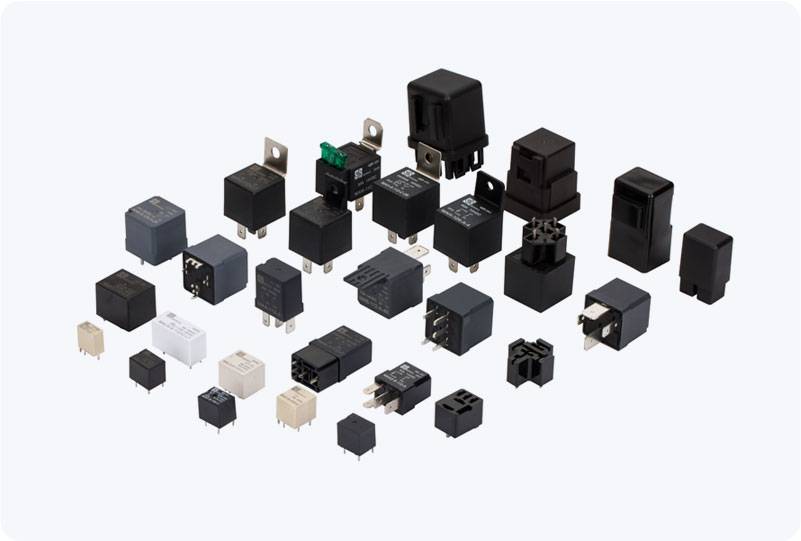
What is a High Voltage Distribution Relay? A High Voltage Distribution Relay is a protective device used in electrical distribution systems to monitor various parameters such as current, voltage, and frequency. When these parameters exceed or fall below predefined limits, the relay acts by triggering an alarm or, more importantly, disconnecting faulty sections of the network. This automatic response helps prevent damage to critical equipment and ensures the stability of the overall power supply. In high-voltage systems, these relays are essential because of the tremendous risk that can be posed by electrical faults, such as overloads, short circuits, and unbalanced loads. By immediately isolating the affected area, they reduce the potential for widespread outages and costly repairs.