In industries such as oil and gas, chemical processing, and mining, where the potential for explosions is a significant concern, ensuring the safety of electrical equipment is paramount. Hazardous area relays, a critical component in these environments, play a vital role in safeguarding both human life and industrial assets. These relays are designed to operate in hazardous zones where flammable gases, vapors, or dust are present, ensuring that electrical systems do not act as an ignition source. In this article, we explore the essential functions, applications, and safety standards associated with hazardous area relays, highlighting their importance in maintaining operational safety.
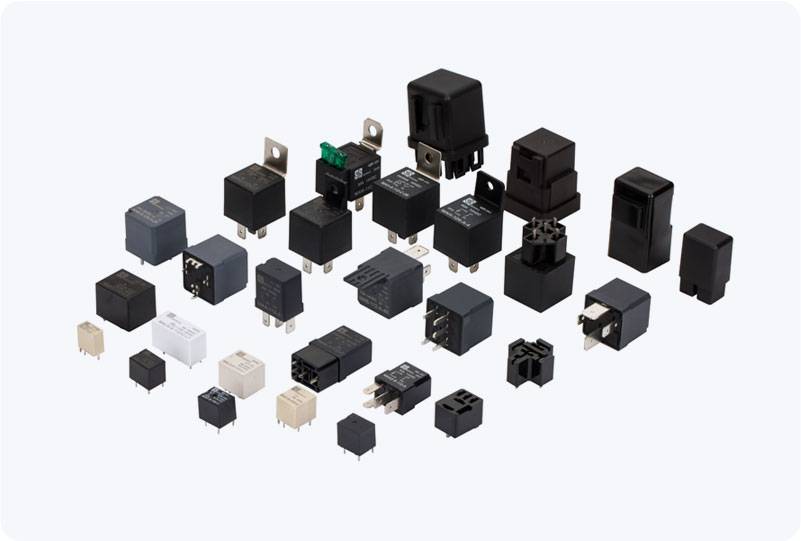
What is a Hazardous Area Relay? A hazardous area relay is an electrical relay specifically designed for use in environments where explosive gases, vapors, or dust may be present. These relays are built to meet the safety requirements of hazardous locations, preventing sparks, heat, or other electrical events from igniting flammable materials in the surrounding atmosphere. They serve as an interface between control systems and machinery, ensuring that operations continue smoothly without compromising safety. Key Features of Hazardous Area Relays Explosion Protection: One of the most critical features of a hazardous area relay is its ability to contain or eliminate the risk of sparks or thermal events that could lead to explosions. These relays are built to operate in a safe manner, even when subjected to extreme environmental conditions. Many relays are designed with enclosures that prevent any internal faults from becoming an ignition source.